
Sail-Crested Nyctosaurus on a Seaside Rock
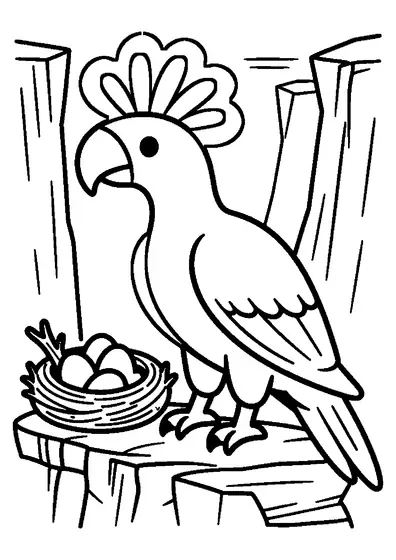
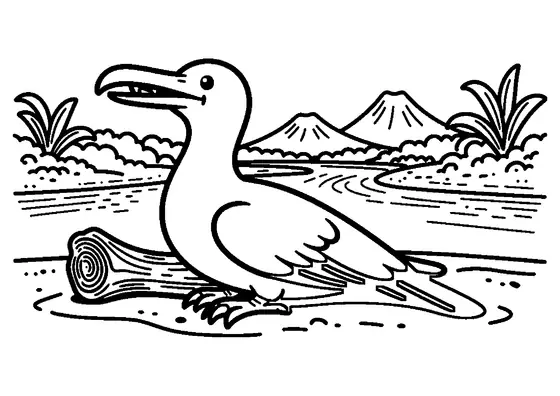
A distinctive Nyctosaurus perches atop a rocky outcrop along an ancient sea coast.

A4 format (portrait), black outlines on a white background · for home and classroom use
All coloring pages: Flying and Sea Reptile Coloring Pages
Similar coloring pages: Flying and Sea Reptile Coloring Pages




What else can you print? Free, no account needed
Custom Name Coloring Pages
Enter your child's name to generate a custom coloring page featuring large outline letters to color and decorate.
Open generator →Connect the Dots Generator
Eight connect-the-dots pictures across three difficulty levels. Features faint outline guides for younger children and dots only for older kids.
Open generator →Printables
Worksheets, tracing lines, mazes and dot-to-dots in A4.
Browse printables →
Nyctosaurus on the Coastal Shore
This illustration features Nyctosaurus resting on a seaside rock above ocean waters. These specialized flying reptiles spent long periods soaring over open water, coming ashore onto coastal rocks primarily to rest or nest.
The Massive Crest of Nyctosaurus
Nyctosaurus possessed an extraordinary head crest shaped like a huge two-pronged fork or V-blade, which grew to a length longer than its skull. Scientists believe this light, bony structure may have supported a skin sail or served as a display feature for signaling other pterosaurs across coastal habitats. Because its wings were unusually long and narrow, Nyctosaurus relied on ocean breezes along seaside cliffs to launch smoothly into flight.
Real Colors of Nyctosaurus
- Bony head crest: Muted reddish-brown or tan with potential lighter stripes along the ridges
- Wing membranes: Dark brown or dusty charcoal gray to withstand harsh ocean sunlight
- Short body fibers: Pale gray or tan pycnofibers covering the torso
- Seaside rock: Dark granite gray or weathered brown mineral tones