
Quetzalcoatlus on a Floodplain
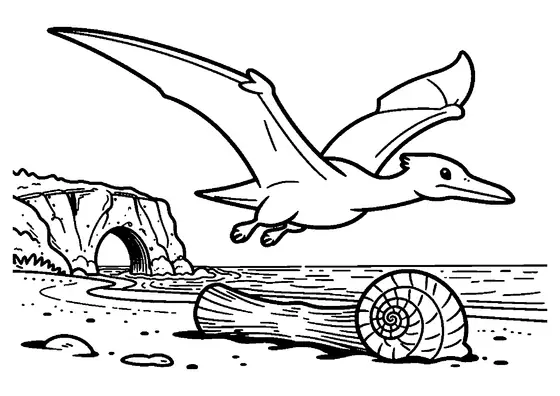
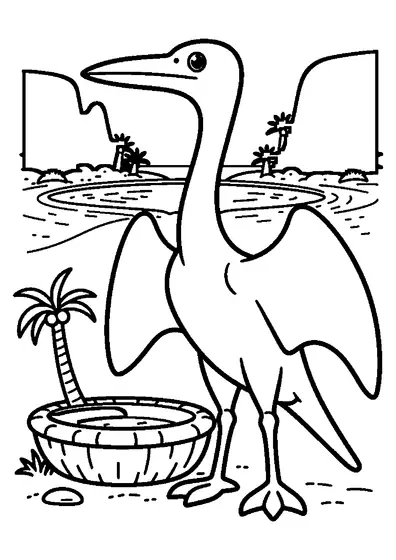
A giant flying reptile treads through shallow waters on a river plain with sandbars and rocky ledges.

A4 format (landscape), black outlines on a white background · for home and classroom use
All coloring pages: Flying and Sea Reptile Coloring Pages
Similar coloring pages: Flying and Sea Reptile Coloring Pages


What else can you print? Free, no account needed
Custom Name Coloring Pages
Enter your child's name to generate a custom coloring page featuring large outline letters to color and decorate.
Open generator →Connect the Dots Generator
Eight connect-the-dots pictures across three difficulty levels. Features faint outline guides for younger children and dots only for older kids.
Open generator →Printables
Worksheets, tracing lines, mazes and dot-to-dots in A4.
Browse printables →
Quetzalcoatlus Traversing a River Floodplain
This scene features a massive Quetzalcoatlus viewed from the side as it moves through shallow water across a broad floodplain. In the surroundings, an oxbow lake winds past sandy deposits and exposed rock ledges, illustrating a typical ancient river ecosystem where this prehistoric creature once ranged.
Fascinating Facts About Quetzalcoatlus in River Habitats
Quetzalcoatlus was one of the largest flying animals in Earth history, with a wingspan comparable to a small airplane. Despite their enormous wings, fossil evidence suggests these reptiles spent considerable time walking on four limbs across inland floodplains to forage for food. Their tall necks and long beaks allowed them to probe shallow water and mud for small prey.
Natural Colors of Quetzalcoatlus and Its Habitat
- Quetzalcoatlus skin and body covering: light brown, tan, or gray tones suitable for inland camouflage
- Quetzalcoatlus head crest: reddish brown or muted orange highlights seen in modern reptile displays
- Floodplain water and oxbow lake: murky brown, dull blue, or green reflecting river sediment
- Sandbars and rocky ledges: sandy yellow, gray, and earthy brown shades