
Plesiosaur Among Underwater Geysers
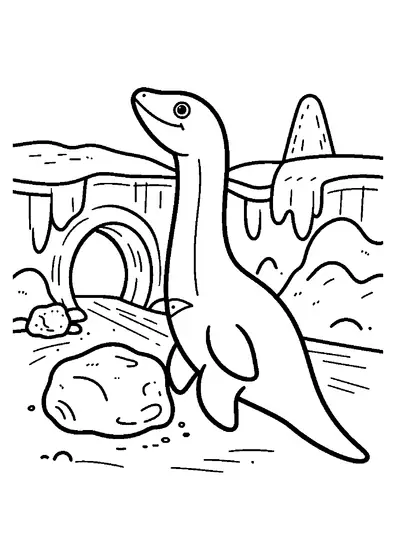
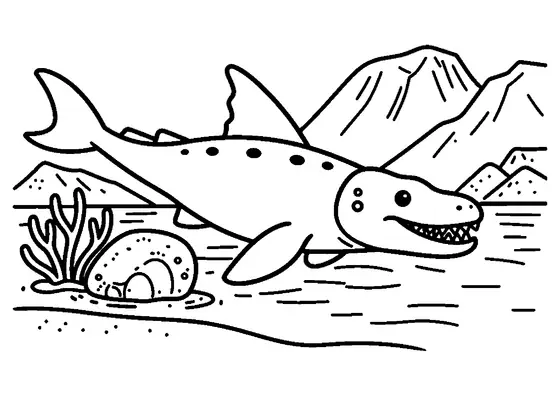
A long-necked marine reptile glides past hot mineral vents and a coiled shell along the deep seabed.

A4 format (portrait), black outlines on a white background · for home and classroom use
All coloring pages: Flying and Sea Reptile Coloring Pages
Similar coloring pages: Flying and Sea Reptile Coloring Pages



What else can you print? Free, no account needed
Custom Name Coloring Pages
Enter your child's name to generate a custom coloring page featuring large outline letters to color and decorate.
Open generator →Connect the Dots Generator
Eight connect-the-dots pictures across three difficulty levels. Features faint outline guides for younger children and dots only for older kids.
Open generator →Printables
Worksheets, tracing lines, mazes and dot-to-dots in A4.
Browse printables →
Plesiosaur Exploring Deep Thermal Vents
A plesiosaur dives through deep ocean currents alongside steaming underwater geysers. On the seabed, an ammonite rests near mineral structures spewing warm water into the dark sea. Deep marine ecosystems were filled with unique geological formations and ancient sea creatures.
Life Around Hydrothermal Springs in Ancient Oceans
Hydrothermal vents on the sea floor release mineral-rich hot water heated by volcanic activity beneath the ocean crust. These warm underwater zones attracted diverse marine life, creating thriving habitats in cold deep ocean waters. Ammonites thrived in these mineral-rich marine environments alongside large aquatic reptiles.
True Colors of Marine Reptiles and Thermal Vents
- Plesiosaur back: Countershaded dark navy blue or deep slate gray
- Plesiosaur belly: Cream, pale blue, or light gray skin
- Hydrothermal vents: Dark rust brown, metallic black, and mineral orange
- Ocean water column: Deep ocean blue fading to dark teal
- Ammonite shell: Patterned spiral in shades of beige, brown, and orange