
Alvarezsaurus in a Sandy Streambed
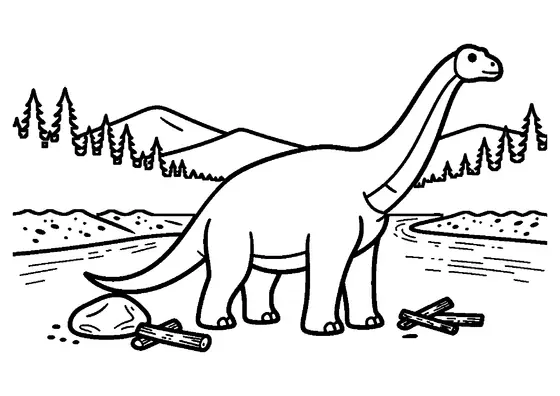
A small prehistoric dinosaur explores a quiet riverbed filled with sand and ancient wood.

A4 format (landscape), black outlines on a white background · for home and classroom use
All coloring pages: Dinosaur Coloring Pages
Similar coloring pages: Dinosaur Coloring Pages
What else can you print? Free, no account needed
Custom Name Coloring Pages
Enter your child's name to generate a custom coloring page featuring large outline letters to color and decorate.
Open generator →Connect the Dots Generator
Eight connect-the-dots pictures across three difficulty levels. Features faint outline guides for younger children and dots only for older kids.
Open generator →Printables
Worksheets, tracing lines, mazes and dot-to-dots in A4.
Browse printables →
Prehistoric Life Along a Sandy Riverbed
This illustration shows an Alvarezsaurus positioned beside a fossilized tree trunk in a sandy streambed. The environment captures a quiet moment in a prehistoric landscape where small dinosaurs roamed near shallow water channels.
Unique Traits of Alvarezsaurus
Alvarezsaurus was a relatively small theropod dinosaur that lived during the Late Cretaceous Period. Unlike large predators, it possessed remarkably short front limbs featuring a single prominent claw on each hand. Paleontologists suspect these specialized claws helped the creature dig into insect nests or wood bark in search of food.
Earthy Tones of the Cretaceous Environment
- Alvarezsaurus skin: mottled tan, olive green, or sandy brown
- Single hand claws: pale off-white or dark charcoal gray
- Fossilized tree trunk: rich chestnut brown, weathered gray, or dark ochre
- Streambed sand: soft beige, pale yellow, or light brown