
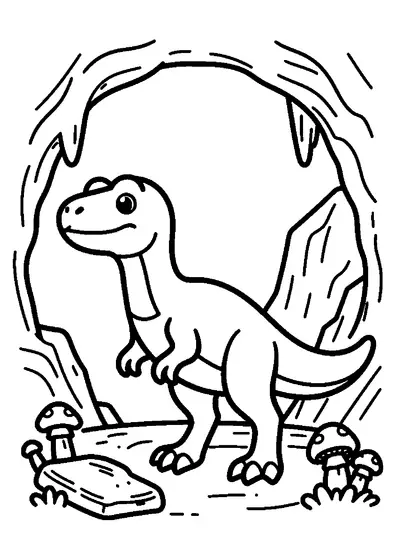
Wintonotitan at a Wide Prehistoric River Bend
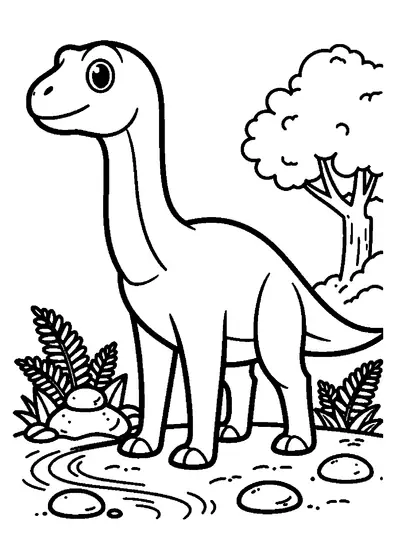
A massive long-necked titanosaur gathers near a wide bend in an ancient river during the Cretaceous period.

A4 format (landscape), black outlines on a white background · for home and classroom use
All coloring pages: Dinosaur Coloring Pages
Similar coloring pages: Dinosaur Coloring Pages

What else can you print? Free, no account needed
Custom Name Coloring Pages
Enter your child's name to generate a custom coloring page featuring large outline letters to color and decorate.
Open generator →Connect the Dots Generator
Eight connect-the-dots pictures across three difficulty levels. Features faint outline guides for younger children and dots only for older kids.
Open generator →Printables
Worksheets, tracing lines, mazes and dot-to-dots in A4.
Browse printables →
Wintonotitan Resting by a Prehistoric River
A long-necked Wintonotitan stands at a broad bend in a prehistoric river. The massive sauropod dominates the landscape near the slow-moving water, where ancient riverbanks stretch across open prehistoric terrain.
Life of a Giant Titanosaur in Ancient Floodplains
Wintonotitan was a large sauropod dinosaur that inhabited the floodplain environments of what is now Australia. These enormous herbivores consumed massive quantities of plant matter daily to maintain their size. Broad river bends were vital parts of their habitat, offering steady supplies of water and rich vegetation growing on fertile alluvial soil.
Natural Colors of Wintonotitan and its Habitat
- Wintonotitan hide: Slate gray or dusty brown skin tones suitable for large land reptiles
- River water: Murky green-blue reflecting the surrounding landscape
- Riverbank soil: Rich reddish-brown clay and tan sand
- Prehistoric trees: Dark green canopy with woody brown trunks