
Rowan Berries in a Leaf Wreath
Rowan branches, feathery leaves, and abundant clusters of round berries form a dense horizontal botanical pattern.

Print Download PNG
A4 format (landscape), black outlines on a white background · for home and classroom use
Advertisement
All coloring pages: Pattern and Ornament Coloring Pages
More from this category
Similar coloring pages: Pattern and Ornament Coloring Pages


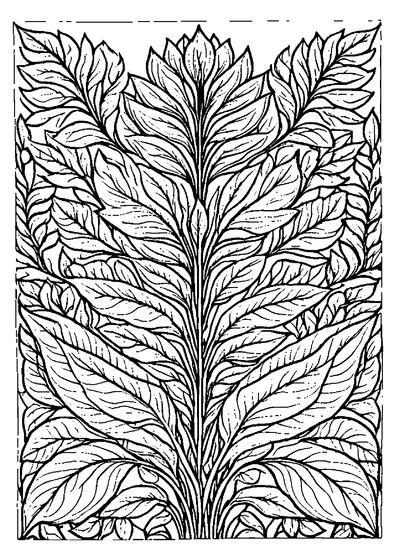
Rowan Berries Among the Leaves
Numerous berry clusters appear between branching sprays of slender, paired leaflets. The rowan foliage and fruit spread across the entire scene, with the repeated branches forming a closely packed plant arrangement.
Rowan Facts
Rowan fruit grows in clusters and often remains on the tree into cooler weather. Birds eat the ripe fruit and can spread the seeds elsewhere, making them important visitors to rowan trees in autumn and winter.
Natural Colors of Rowan
- Ripe rowan berries: usually orange-red or bright red
- Unripe berries: green, gradually becoming yellow or orange as they mature
- Feathery leaves: medium to deep green during the growing season
- Autumn leaves: yellow, orange, or red
- Branches and twigs: gray-brown to reddish brown
Questions and answers
Questions and Answers
Are rowan berries true berries?
Botanically, they are small pome fruits related to apples. Each fruit contains seeds surrounded by flesh and a thin outer skin.
Why do rowan fruits grow in clusters?
Many flowers develop together in one branched group, and the fruits remain grouped as they ripen. The bright cluster is easy for fruit-eating birds to notice.
Why do rowan leaves look feathery?
Each leaf is divided into several narrow leaflets arranged along a central stalk. This compound structure gives the foliage its featherlike appearance.