
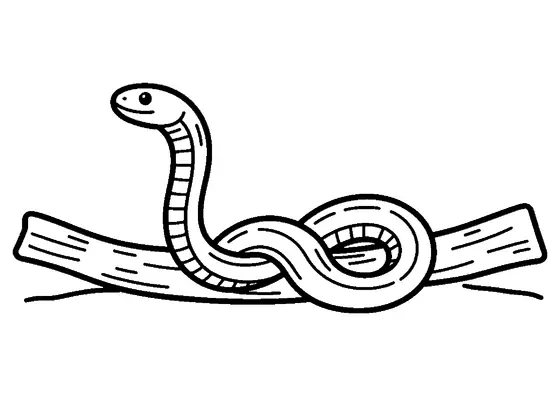
Cicada on a Branch
A woodland cicada with a broad head and prominent wings rests quietly on a wide tree branch.

A4 format (portrait), black outlines on a white background · for home and classroom use
All coloring pages: Woodland Animal Coloring Pages
Similar coloring pages: Woodland Animal Coloring Pages


What else can you print? Free, no account needed
Custom Name Coloring Pages
Enter your child's name to generate a custom coloring page featuring large outline letters to color and decorate.
Open generator →Connect the Dots Generator
Eight connect-the-dots pictures across three difficulty levels. Features faint outline guides for younger children and dots only for older kids.
Open generator →Printables
Worksheets, tracing lines, mazes and dot-to-dots in A4.
Browse printables →
A Woodland Cicada Resting on a Tree Branch
This insect has a broad head and large translucent wings while positioned on a wide tree branch. Tree branches in forests and wooded areas provide shelter and sap for cicadas during warm seasons.
How Cicadas Utilize Tree Branches
Cicadas select sturdy tree branches to shed their nymph skins and feed on plant sap. Male cicadas also perch high on branches to project their loud calls across forest canopies during hot summer afternoons.
Real-World Colors of the Cicada
- Broad head and body: Dark brown, black, or mottled olive green
- Prominent wings: Translucent clear membrane with dark brown or green veins
- Eyes: Dark brown or reddish brown on the sides of the head
- Tree branch bark: Textured brown or dark gray with green lichen patches