
Praying Mantis by Grass
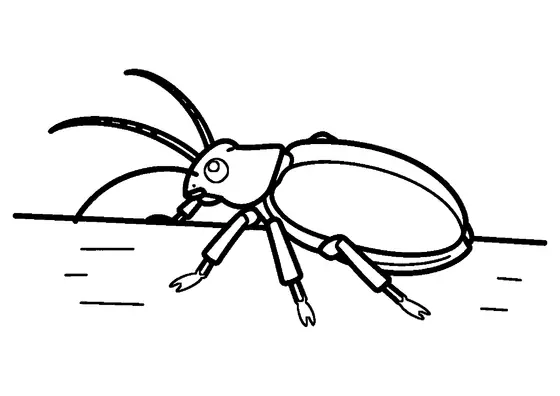
A praying mantis displays folded front legs and a triangular head while standing near a blade of grass.

A4 format (landscape), black outlines on a white background · for home and classroom use
All coloring pages: Woodland Animal Coloring Pages
Similar coloring pages: Woodland Animal Coloring Pages


What else can you print? Free, no account needed
Custom Name Coloring Pages
Enter your child's name to generate a custom coloring page featuring large outline letters to color and decorate.
Open generator →Connect the Dots Generator
Eight connect-the-dots pictures across three difficulty levels. Features faint outline guides for younger children and dots only for older kids.
Open generator →Printables
Worksheets, tracing lines, mazes and dot-to-dots in A4.
Browse printables →
The Praying Mantis in a Grassland Environment
This predatory insect features folded front legs and a distinct triangular head next to a blade of grass. Tall grasses and garden greenery serve as natural camouflage for the praying mantis as it waits in stillness.
Camouflage and Survival Near Blades of Grass
Praying mantises blend seamlessly into grassy vegetation because their body shape resembles stems and leaves. By remaining completely motionless beside blades of grass, they avoid detection by larger birds while waiting for passing insect prey.
Natural Colors of the Praying Mantis
- Triangular head and body: Vivid bright green, pale yellowish green, or straw brown
- Folded front legs: Light green with tiny dark spines along the inner edge
- Compound eyes: Pale green or amber with a small dark center spot
- Blade of grass: Vibrant green or dry golden yellow