
Nightjar on a Low Branch
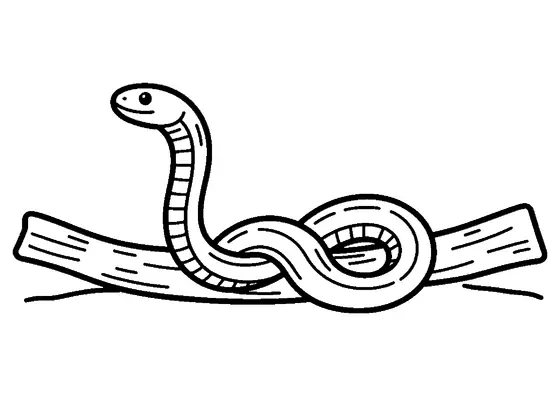
A nocturnal nightjar perches quietly on a horizontal tree limb in a quiet woodland environment.

A4 format (landscape), black outlines on a white background · for home and classroom use
All coloring pages: Woodland Animal Coloring Pages
Similar coloring pages: Woodland Animal Coloring Pages




What else can you print? Free, no account needed
Custom Name Coloring Pages
Enter your child's name to generate a custom coloring page featuring large outline letters to color and decorate.
Open generator →Connect the Dots Generator
Eight connect-the-dots pictures across three difficulty levels. Features faint outline guides for younger children and dots only for older kids.
Open generator →Printables
Worksheets, tracing lines, mazes and dot-to-dots in A4.
Browse printables →
A Nightjar Resting on a Woodland Tree Branch
A specialized nocturnal bird perches lengthwise along a sturdy wooden branch near the forest floor. The bird exhibits distinct physical traits such as prominent large eyes, a compact beak, and elongated wing structures suitable for silent nighttime flight.
Unique Adaptations of the Eurasian Nightjar
Nightjars are active primarily at dusk and during the night, hunting flying insects like moths and beetles in midair. Instead of perching across a branch like most birds, they usually sit along the length of a limb to resemble a broken piece of wood. Their large eyes capture minimal light, helping them navigate dense forests under moonlit skies.
Natural Appearance of the Nightjar
- Feathers: Cryptic blend of gray, brown, black, and buff patterns
- Eyes: Large and deep blackish brown
- Beak: Small and dark gray surrounded by fine bristles
- Tree branch: Weathered gray or brown bark with natural moss highlights