
Flamingo at Lake Nakuru
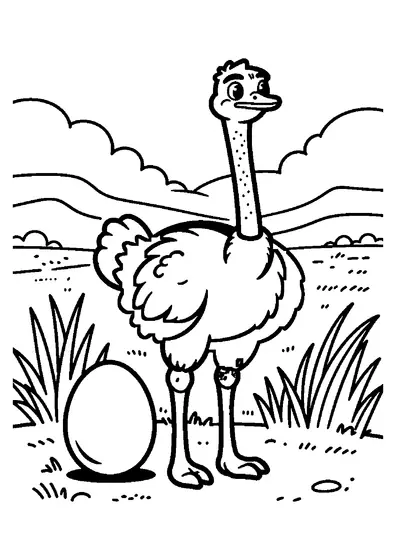
A tall flamingo rests along the rocky shore of shallow Lake Nakuru surrounded by calm water.

A4 format (portrait), black outlines on a white background · for home and classroom use
All coloring pages: African Animal Coloring Pages
Similar coloring pages: African Animal Coloring Pages




What else can you print? Free, no account needed
Custom Name Coloring Pages
Enter your child's name to generate a custom coloring page featuring large outline letters to color and decorate.
Open generator →Connect the Dots Generator
Eight connect-the-dots pictures across three difficulty levels. Features faint outline guides for younger children and dots only for older kids.
Open generator →Printables
Worksheets, tracing lines, mazes and dot-to-dots in A4.
Browse printables →
Flamingo on Lake Nakuru Shore
This scene features a flamingo standing by the edge of Lake Nakuru's alkaline soda waters. The bird exhibits its slender curved neck and layered plumage beside a shoreline composed of rocks and shallow water. The surrounding rift valley lake environment forms the natural habitat where these birds gather along wet stone edges.
Natural History of Lake Nakuru Flamingos
Lake Nakuru in Kenya is famous for its saline waters that support vast blooms of microscopic blue-green algae. Lesser and greater flamingos filter feed on these organisms using specialized beak structures adapted for straining shallow water. The mineral content of the lake water influences the abundance of food, drawing large bird flocks to its stony banks.
Natural Colors of the Flamingo
- Feathers: pale pink to deep salmon red depending on diet
- Wing tips: dark black flight feathers concealed when standing
- Bill: deep pink with a black tip
- Legs: bright pinkish red skin
- Shoreline rocks: dark gray basalt with whitish mineral crusts