
Foal at an Old Country Railroad Crossing
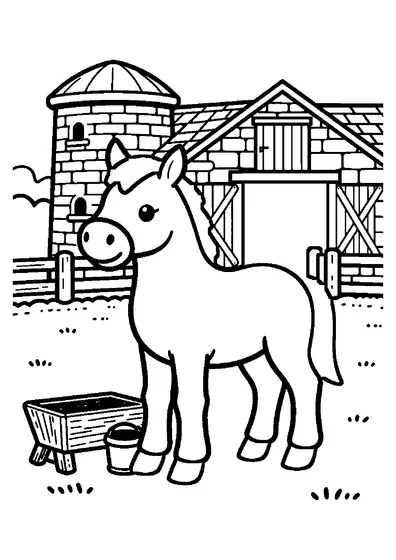
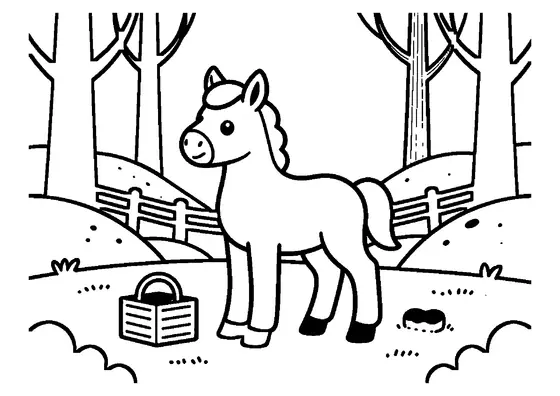
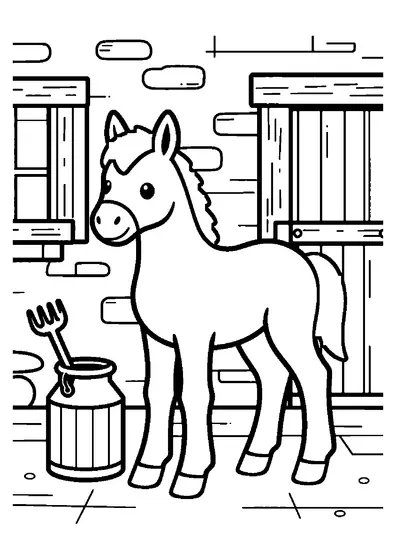
A curious foal pauses at an old country railroad crossing marked by a lowered crossing gate.

A4 format (landscape), black outlines on a white background · for home and classroom use
All coloring pages: Foal Coloring Pages
Similar coloring pages: Foal Coloring Pages



What else can you print? Free, no account needed
Custom Name Coloring Pages
Enter your child's name to generate a custom coloring page featuring large outline letters to color and decorate.
Open generator →Connect the Dots Generator
Eight connect-the-dots pictures across three difficulty levels. Features faint outline guides for younger children and dots only for older kids.
Open generator →Printables
Worksheets, tracing lines, mazes and dot-to-dots in A4.
Browse printables →
Rural Life at a Country Railroad Crossing
Railroad tracks cut across vast stretches of countryside, connecting small agricultural towns with distant cities. Country crossings feature mechanical or wooden barrier gates that drop down to alert travelers when a train approaches. Farm animals grazing in fields nearby often observe passing trains and learn to wait patiently behind protective gate barriers.
Safety and Signals at Historic Train Crossings
Early rural railroad crossings relied on simple wooden arms painted with high-contrast stripes to signal stopped traffic. Before modern electronic sensors were installed, crossing tenders manually lowered gates using levers or hand cranks whenever steam engines approached. Animals living near rail tracks quickly grow accustomed to the rumbling vibration of passing boxcars.
Real Colors of Railroad Gates and Country Horses
- Foal coat: pinto white and brown, dark bay, black, or sorrel
- Lowered crossing gate arm: alternating red and white stripes, or yellow and black warning bars
- Railroad crossing posts and hardware: dark steel gray, cast iron black, or silver paint
- Railroad tracks and ballast stones: dark metallic gray rails resting on light gray granite gravel