
Foal Beside a Stone Barn with a Tower
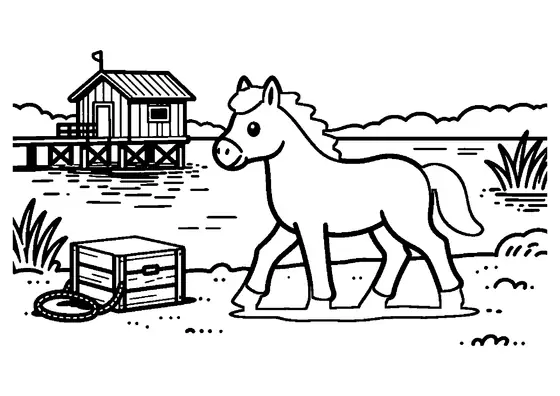
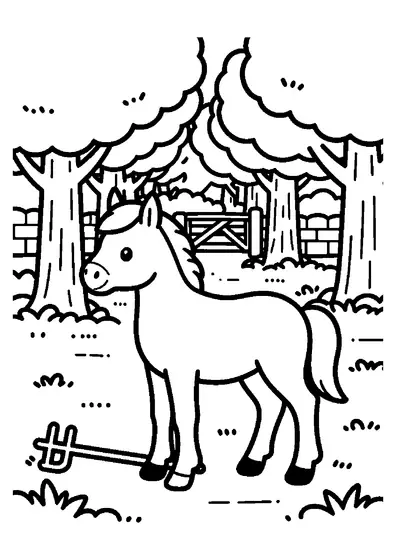
A young horse stands in a rural farmyard near a historic stone building equipped with a small tower and a feeding trough.

A4 format (portrait), black outlines on a white background · for home and classroom use
All coloring pages: Foal Coloring Pages
Similar coloring pages: Foal Coloring Pages




What else can you print? Free, no account needed
Custom Name Coloring Pages
Enter your child's name to generate a custom coloring page featuring large outline letters to color and decorate.
Open generator →Connect the Dots Generator
Eight connect-the-dots pictures across three difficulty levels. Features faint outline guides for younger children and dots only for older kids.
Open generator →Printables
Worksheets, tracing lines, mazes and dot-to-dots in A4.
Browse printables →
Historic Farmyard Buildings and Young Horses
The countryside scene depicts a foal positioned near a historic stone barn. This traditional agricultural building incorporates a small tower along with a feeding trough placed within the surrounding farmyard area.
Traditional Barn Architecture and Farm Structures
Stone barns featuring built-in towers were historically constructed across rural agricultural regions to store feed and offer sturdy protection for farm stock. The elevated tower sections assisted in grain storage and helped circulate fresh air throughout the structure, while outdoor troughs provided convenient feeding locations for animals.
Natural Colors of Farmyard Buildings and Young Horses
- Foal coat and mane: shades of chestnut brown, deep bay, solid black, or dapple gray
- Stone barn exterior: neutral gray, warm beige, or weathered tan stonework
- Barn roof tiles: terracotta red, slate gray, or dark brown timber shades
- Wooden feeding trough: natural oak brown or sun-aged gray wood