
Foal Beside a Traditional Country Post Mill
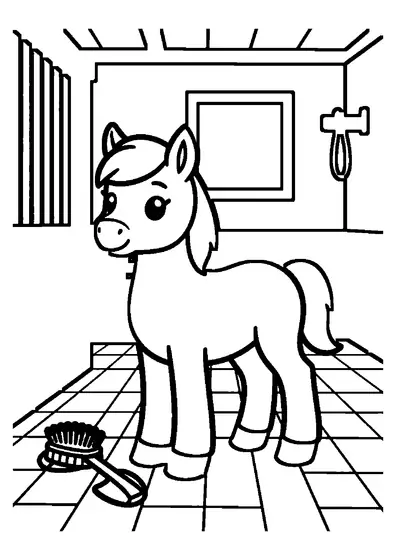
A young foal stands outdoors in the countryside beside an authentic wooden post mill.

A4 format (portrait), black outlines on a white background · for home and classroom use
All coloring pages: Foal Coloring Pages
Similar coloring pages: Foal Coloring Pages



What else can you print? Free, no account needed
Custom Name Coloring Pages
Enter your child's name to generate a custom coloring page featuring large outline letters to color and decorate.
Open generator →Connect the Dots Generator
Eight connect-the-dots pictures across three difficulty levels. Features faint outline guides for younger children and dots only for older kids.
Open generator →Printables
Worksheets, tracing lines, mazes and dot-to-dots in A4.
Browse printables →
Country Life with a Foal Near a Traditional Windmill
Post mills are historical wooden structures built on rural farmland to harness wind energy for grinding grain. These impressive windmills feature a heavy timber body mounted on a central vertical post, allowing the entire building to rotate into the wind. Farms with working mills historically kept horses and foals in nearby pastures where open breezes kept the fields cool and clear.
The History of Rural Post Mills
Post mills were among the earliest types of windmills developed in Europe during the Middle Ages. Millers relied on horses to haul sacks of grain to the mill and transport ground flour back to local village markets. Placing these wooden landmarks in open countryside pastures ensured maximum exposure to natural winds.
Natural Colors of Wooden Post Mills and Horses
- Foal coat: golden palomino, chestnut, deep bay, or sorrel
- Wooden post mill exterior: weathered gray wood, dark brown timber, or tarred black planking
- Windmill sails: off-white canvas, cream cloth, or light wooden slats
- Foal hooves: slate black, dark gray, or pale horn tan