

How to Teach a Child to Read Step by Step
The simplest and safest path goes from spoken to written language: first your child hears the sounds in words, then learns the letters for those sounds, blends them into short words and finally reads simple sentences. Each step should build on what your child already knows.
In short:
- play games that split words into syllables and pick out the first sound,
- teach each letter with its sound, not just its name,
- practice blending sounds into short words, such as “at”, “sat” and “map”,
- move on to short words your child knows from everyday life,
- read short sentences and ask about their meaning,
- end the practice session before your child gets tired.
For most children, short sessions work much better than one long lesson. In practice, 5–10 minutes of reading when your child is well-rested works great. If they don't feel like reading on a given day, you can always go back to word games without any paper or books.
Simple printable worksheets can be very helpful and tailored to your child's current learning stage. You don't need to use the whole set at once—just one worksheet and one specific task is enough.

At What Age Can You Start Teaching Reading?
There is no single right age to start learning to read. A 4- or 5-year-old can play with speech sounds, rhymes and individual letters but doesn’t need to read independently yet. By ages 6–7, many children are ready to blend letters into words regularly.
The most important factor is reading readiness. Look out for these signs:
- shows interest in letters and signs,
- asks what written words say,
- can focus for a few minutes,
- understands simple spoken instructions,
- can break easy words into syllables or tries to do so,
- enjoys listening to stories read aloud.
A four-year-old's lack of interest in letters is no reason to rush. At this age, conversation, looking at books together, rhyming, and listening games play a huge role.
Early-childhood curricula, including Poland’s 2026 core curriculum listed in the sources, describe reading as a skill that develops in stages: children gradually move from noticing sounds and letters to reading and understanding short texts on their own.

How to Practice Sounds and Syllables Before Reading Letters
Before children can read letters fluently, they need to hear word structures clearly. Phonemic awareness—the ability to break words into individual sounds and blend those sounds back together—is essential.
You don't need complex terms—simple games are all it takes.
Exercise 1: First Sound
Say “home”. Ask: “What sound do you hear at the start?” If your child isn’t sure, stretch out the first sound: “hhh-home”. Then try words like “mom”, “sun”, “cat” and “dog”.
At first, pick words where the initial sound is easy to hear. Don't require writing down any letters.
Exercise 2: Syllable Clapping
Say the word “paper” and clap: “pa-per”. Then try “puppet”, “banana” and “airplane”. Your child can clap, tap a block or take a step for each syllable.
Exercise 3: Blend the Sounds
Say slowly: “s-u-n”. Ask: “What word do you hear?” Then try “m-a-p”, “d-o-g” and “c-a-t”. This exercise prepares children for blending letters later on.
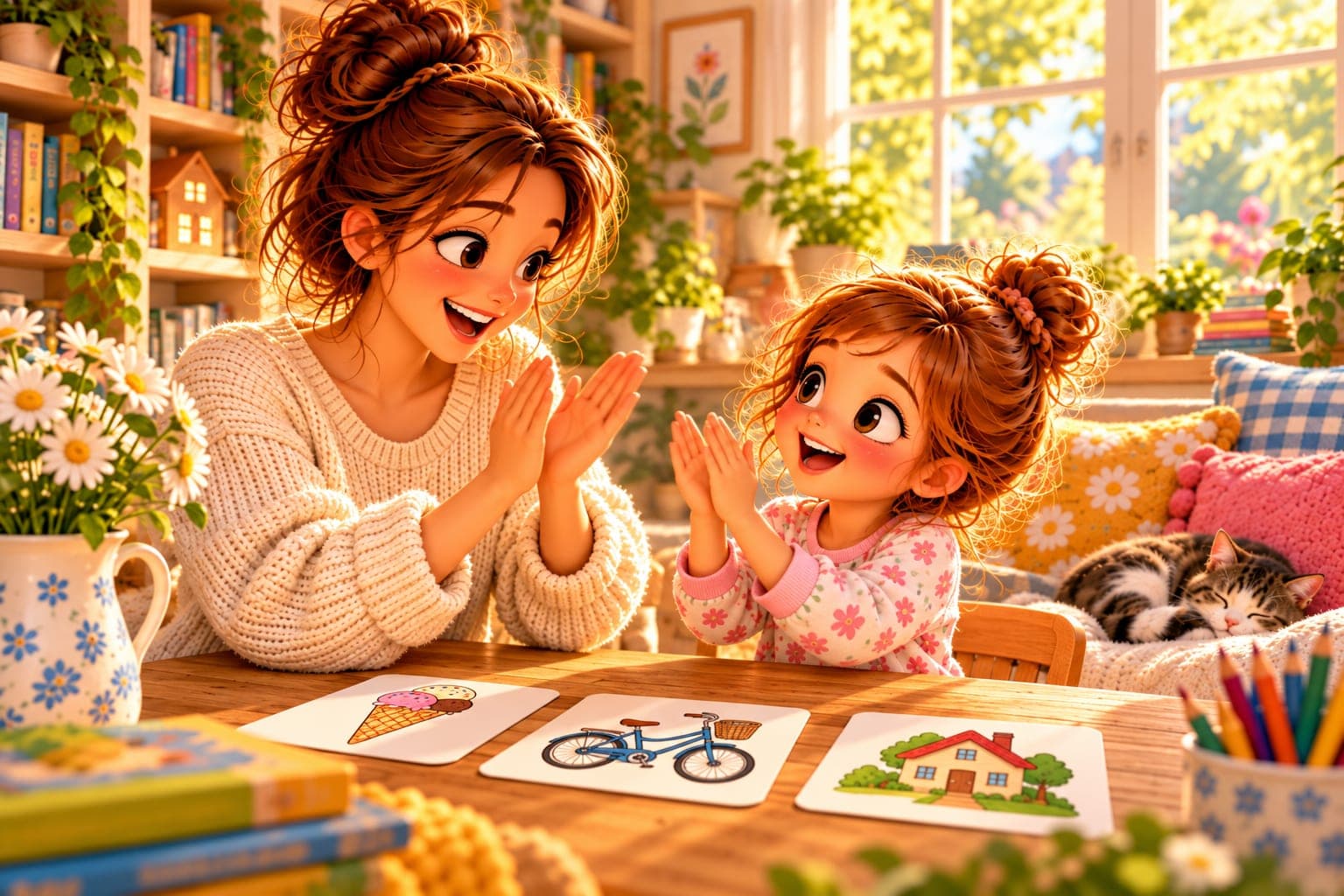
If you want to add a playful element, you can use educational games or make your own picture cards. The image should help explain the task, but the answer must come from listening to sounds, not guessing from the picture.
How to Introduce Letters Without Causing Confusion
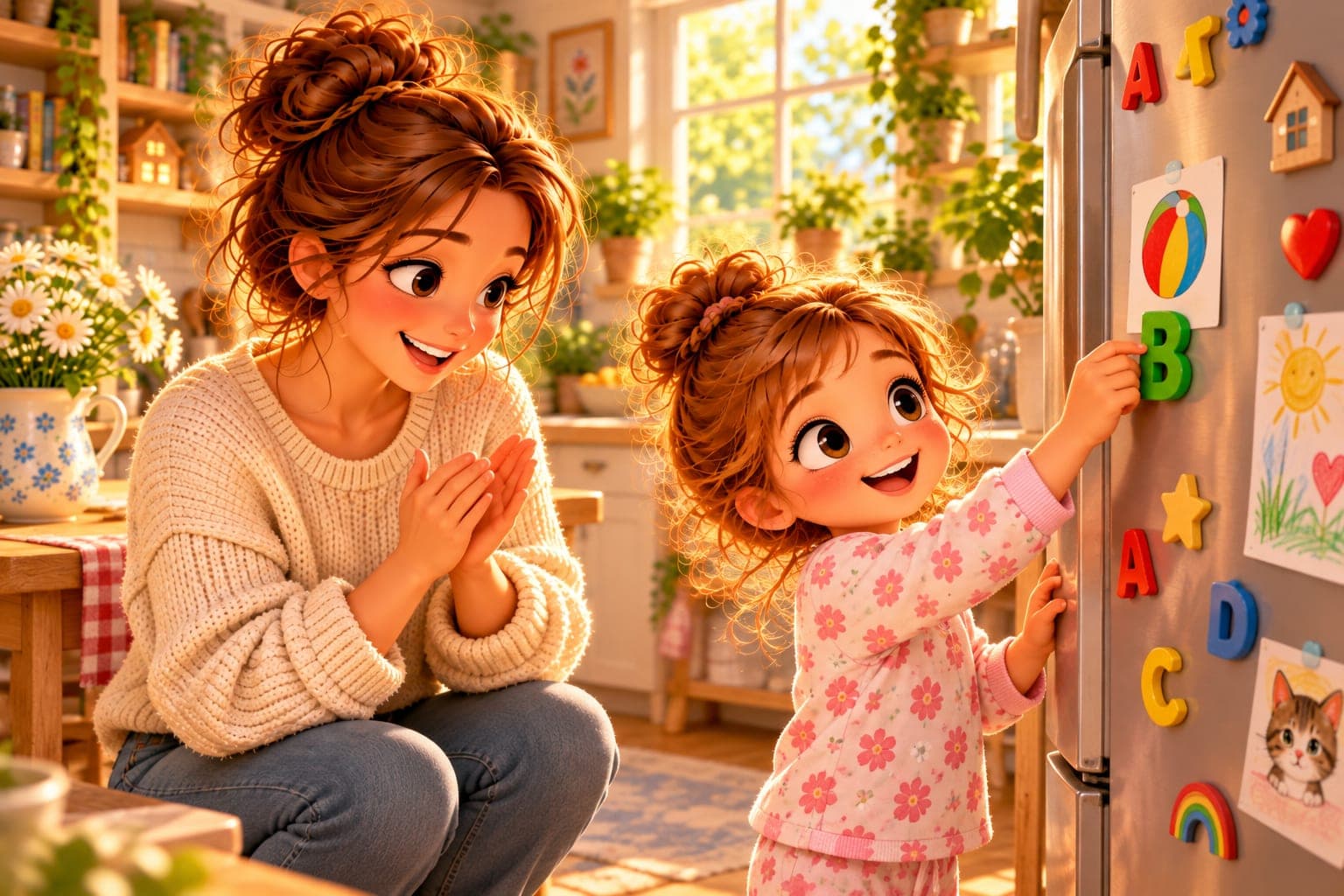
It's best to introduce letters in small doses and immediately pair each letter with its sound. Children should understand that a letter represents a sound they hear in speech.
Rather than showing the whole alphabet at once, start with a few letters that quickly make simple words. A short vowel plus a few common consonants works well, for example a, s, t, m and p.
Example:
- show the letter “m”,
- say its short sound /m/,
- find words starting with that sound,
- blend “m”, “a” and “p” and read “map”,
- change one letter and try “mat”, “sap” and “tap”.
Avoid introducing multiple new letters at once if your child gets confused. Three well-recognized letters are far better than ten known only vaguely.
For review, you can prepare a worksheet with a single letter, a simple picture and a few short words. If you need a custom layout, try our worksheet generators.
How to Move from Letters to Blending Short Words
Once your child recognizes a few letters, start blending them into two- and three-letter words, such as “at”, “am”, “sat” and “mat”. Blending lets your child read the sounds smoothly instead of stopping at every single letter.
First, blend the word together with your child. Then ask them to read it on their own. When a few words feel easy, change one letter to make a new word.
Suggested sequence:
- at,
- sat,
- mat,
- map,
- tap,
- tip.
Avoid words with tricky spellings or unfamiliar meanings at first. Success should come from reading the word, not from remembering it.
A useful rule: one new element plus several familiar ones. When you introduce a new letter or word pattern, most of the rest should already be easy.
How to Help Your Child Read First Sentences
First sentences should be short and made of easy, familiar words. The goal is for your child to focus on both decoding the words and understanding their meaning.
Start with simple sentences like:
- “Sam has a cat.”
- “Dad has a hat.”
- “The dog can run.”
After each sentence, ask one simple question, such as “Who has a cat?” or “What does Dad have?” If your child can’t answer, read the sentence again together. Reading without understanding isn’t the goal.
At this stage, you can combine reading with other fun activities. After a short reading task, your child can choose a printable coloring page with a matching theme or draw the story character. This short break switches the focus and keeps engagement high.
A 7-Day Reading Plan for Beginners
A great reading plan is brief and predictable. It doesn't need to cover every stage at once.
Day | Goal | Example |
|---|---|---|
Monday | sounds | find the first sound in 5 words |
Tuesday | syllables | clap out 5 simple words |
Wednesday | letters | review 3 known letters and 1 new letter |
Thursday | written syllables | read 6–8 syllables |
Friday | words | read 4 short words |
Saturday | sentences | read 2 short sentences |
Sunday | storybook | read together without quizzes |
A single session can last 5–10 minutes. If your child wants to keep going, continue; if they lose focus, it's better to finish early.
Reading books together is still beneficial even when children start reading independently. Adults model fluency, intonation, and comprehension.
Common Mistakes That Make Learning to Read Harder
Most often, the issue isn't a lack of practice, but rather overly difficult exercises or moving too fast.
Avoid these common pitfalls:
- Teaching kids to guess from pictures. Children should decode written words, while illustrations simply support understanding.
- Introducing too many letters at once. If confusion sets in, scale back to a smaller set.
- Long practice sessions. Tired children start making random mistakes.
- Correcting every mistake instantly. Give them a few seconds to self-correct.
- Comparing them with other children. Learning speed depends on individual skills and background experiences.
You don't need to turn every activity into a lesson either. Reading skills naturally grow through talking, listening to stories, singing rhymes, and sharing books.
What to Do When Your Child Doesn't Want to Read
First, reduce the difficulty level and shorten the time. Resistance often happens when tasks feel too long, too hard, or like a test.
Let your child pick the topic. If they love vehicles, use words like “car”, “bus” and “track”. If they like animals, start with “cat”, “dog” and “fox”.
Offering a choice between two activities also helps: “Would you like to read three short words or one sentence today?” Your child still practices while gaining a sense of control.
Never use reading as a punishment or a condition for rewards. A consistent, predictable routine works best.
When to Consult a Speech Therapist or Reading Specialist
A consultation is a good idea when difficulties persist despite calm, regular practice or affect areas beyond reading. Talking to a specialist doesn't mean a formal diagnosis; it simply helps assess how your child processes speech, sounds, and text.
It's worth speaking with a teacher or specialist if your child:
- has a clear struggle distinguishing similar speech sounds,
- struggles for a long time to remember a few frequently repeated letters,
- finds it very difficult to break simple words into syllables,
- gets frustrated very quickly with every reading attempt,
- makes little progress at school age despite regular practice and teacher support.
Don't try to diagnose the root cause on your own. A specialist tailors their evaluation to your child's age, speech development, and learning context.
How to Support Reading Every Day Without Extra Lessons
Everyday life offers plenty of reading opportunities. Children can spot words on cereal boxes, labels, maps, game cards, or daily schedules.
Taking turns reading also works well. The adult reads most of the text while the child reads one word or a short sentence. This keeps the story engaging and stops the practice from taking over.
You can also prepare a simple weekly set: one worksheet, a few letters, two words, and one sentence. You can find materials in our printable worksheets, worksheet generators, and educational games. For more tips on child development and learning, check out our parenting guides.