
Steam Train by a Railway Signal
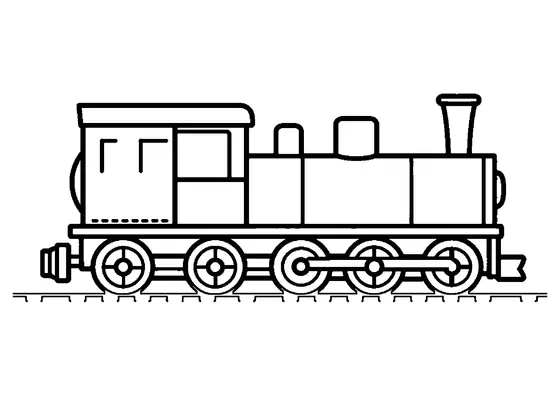
A classic steam engine featuring a prominent smokestack rests on the tracks next to a simple railway signal post.

A4 format (landscape), black outlines on a white background · for home and classroom use
All coloring pages: Train Coloring Pages
Similar coloring pages: Train Coloring Pages


What else can you print? Free, no account needed
Custom Name Coloring Pages
Enter your child's name to generate a custom coloring page featuring large outline letters to color and decorate.
Open generator →Connect the Dots Generator
Eight connect-the-dots pictures across three difficulty levels. Features faint outline guides for younger children and dots only for older kids.
Open generator →Printables
Worksheets, tracing lines, mazes and dot-to-dots in A4.
Browse printables →
Vintage Steam Engine Beside a Track Signal
This large steam engine represents classic railway transportation history. The locomotive dominates the scene with its tall smokestack positioned near the front boiler section. Standing right next to the train, a simple railway signal post indicates track status, capturing a traditional railroad environment.
History and Mechanics of Steam Locomotives
Steam engines powered the growth of global transportation throughout the nineteenth and early twentieth centuries. Inside the boiler, burning coal or wood boils water to produce high-pressure steam. This steam expands inside heavy metal cylinders, pushing pistons back and forth to turn the large driving wheels along steel rails.
Authentic Colors of a Historic Steam Engine
- Engine boiler and cab body: Glossy black or dark navy blue
- Smokestack and front boiler door: Matte black or graphite gray
- Railway signal post: Steel gray or white with red signal arms
- Driving wheels and side rods: Dark steel, black, or polished silver