
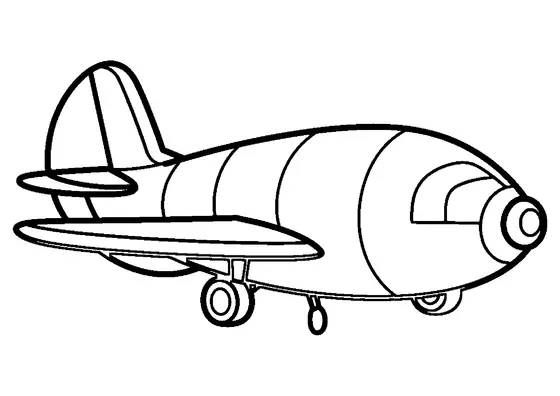
Patrol Rocket with Portholes
A peaceful patrol spacecraft with round portholes and wide stabilizer fins navigates orbital routes.

A4 format (portrait), black outlines on a white background · for home and classroom use
All coloring pages: Planet and Solar System Coloring Pages
Similar coloring pages: Planet and Solar System Coloring Pages



What else can you print? Free, no account needed
Custom Name Coloring Pages
Enter your child's name to generate a custom coloring page featuring large outline letters to color and decorate.
Open generator →Connect the Dots Generator
Eight connect-the-dots pictures across three difficulty levels. Features faint outline guides for younger children and dots only for older kids.
Open generator →Printables
Worksheets, tracing lines, mazes and dot-to-dots in A4.
Browse printables →
Peaceful Orbital Patrols and Space Reconnaissance
Patrol spacecraft navigate orbital corridors to monitor space debris, verify satellite trajectories, and ensure safe navigation along planetary flight paths. A streamlined rocket featuring a pointed nosecone and wide lower fins maintains steady alignment during long-range orbital sweeps. Round observation portholes allow crew members or optical sensors to track surrounding space conditions.
Why Rockets Use Stabilizer Fins and Portholes
Although aerodynamic fins are useless in the deep vacuum of space, spacecraft designed to enter planetary atmospheres need wide fins for stability during atmospheric descent. Circular portholes are constructed from multiple layers of thick quartz glass to withstand intense pressure differences while offering structural integrity against hull stress.
Real Colors of Space Rockets and Hull Components
- Main rocket body: Matte white, pale gray, or bright silver to reflect heat from solar radiation.
- Pointed nosecone: Coated in dark carbon gray or heat-resistant black ceramic tile layer.
- Round portholes: Tinted blue or dark green from multi-layered anti-radiation window coatings.
- Stabilizer fins: Often painted vivid red, yellow, or navy blue for clear orientation visibility.