
Rocket over a Volcanic Planet
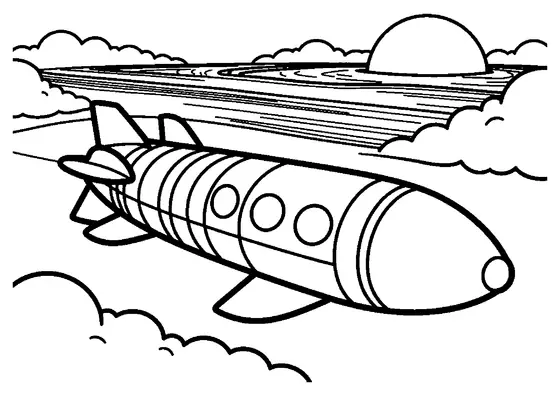
A streamlined rocket glides through the upper atmosphere over a serene volcanic terrain dotted with craters and steam clouds.

A4 format (portrait), black outlines on a white background · for home and classroom use
All coloring pages: Space and Rocket Coloring Pages
Similar coloring pages: Space and Rocket Coloring Pages



What else can you print? Free, no account needed
Custom Name Coloring Pages
Enter your child's name to generate a custom coloring page featuring large outline letters to color and decorate.
Open generator →Connect the Dots Generator
Eight connect-the-dots pictures across three difficulty levels. Features faint outline guides for younger children and dots only for older kids.
Open generator →Printables
Worksheets, tracing lines, mazes and dot-to-dots in A4.
Browse printables →
Rocket Flying Across Volcanic Landscapes
A spacecraft maneuvers gracefully above an active geological world featuring broad crater vents and rising plumes of steam. Below the rocket path, smooth volcanic formations slope down toward wide depressions in the planetary crust. Flying over volcanic worlds allows scientific probes to study thermal activity and analyze gases venting from deep underground.
Volcanic Activity Across the Solar System
Earth is not the only body in space with active volcanoes. Jupiter's moon Io is the most volcanically active world in our solar system, boasting hundreds of vents that erupt plumes of sulfur dozens of miles into space. Mars harbors Olympus Mons, an extinct shield volcano that stands nearly three times higher than Mount Everest, proving volcanic processes shape planets everywhere.
Real Colors of Volcanic Planetary Features
- Rocket hull: titanium silver, glossy white, or cobalt blue
- Steam clouds: pale gray, soft white, or hazy yellow
- Volcanic rock terrain: basalt black, dark charcoal, or deep brown
- Crater interior: dark slate gray, ash gray, or reddish brown
- Atmospheric background: deep violet, dusty orange, or pale blue