
Spiral and Dot Easter Egg in a Conservatory
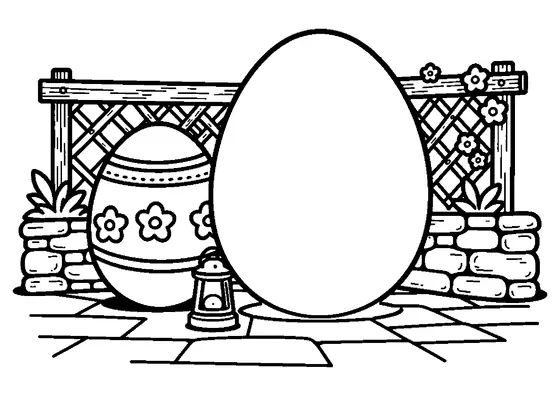
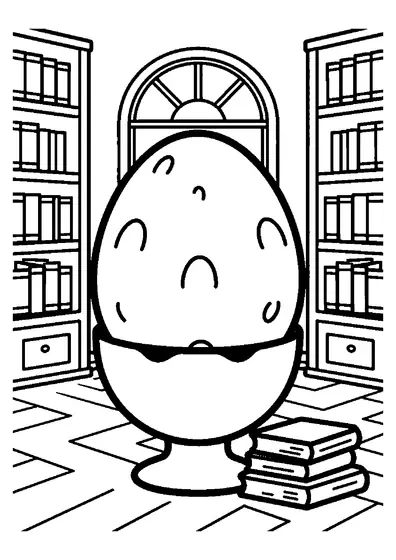
A spiral and dot Easter egg rests in a sunlit home conservatory next to a water pitcher and a leafy fern.

A4 format (landscape), black outlines on a white background · for home and classroom use
All coloring pages: Easter Egg Coloring Pages
Similar coloring pages: Easter Egg Coloring Pages




What else can you print? Free, no account needed
Custom Name Coloring Pages
Enter your child's name to generate a custom coloring page featuring large outline letters to color and decorate.
Open generator →Connect the Dots Generator
Eight connect-the-dots pictures across three difficulty levels. Features faint outline guides for younger children and dots only for older kids.
Open generator →Printables
Worksheets, tracing lines, mazes and dot-to-dots in A4.
Browse printables →
Spiral Egg Design inside a Home Conservatory
Surrounded by greenhouse foliage, an Easter egg patterned with swirling spirals and small dots stands beside a water pitcher and a potted fern. Home conservatories provide glass-enclosed spaces filled with sunlight, ideal for nurturing tender plants throughout the year. The combination of organic plant leaves and spiral shell motifs creates a harmonious spring scene.
Botanical Conservatories and Fern Care
Conservatories and glass greenhouses gained widespread popularity in nineteenth-century Britain as plant collectors gathered exotic tropical flora. Ferns thrive in these humid indoor gardens because they prefer indirect sunlight and moist soil. Water pitchers kept inside conservatories allowed gardeners to keep room-temperature water ready for delicate potted plants.
Natural Tones of a Plant Conservatory
- Spiral pattern egg shell: Violet, lime green, bright yellow, and sky blue
- Lush fern fronds: Emerald green, deep forest green, or vibrant lime
- Water pitcher: White ceramic, clear glass blue, or polished copper
- Conservatory plant pots: Terracotta orange, clay brown, or dark charcoal
- Sunlight window frames: Crisp white, bronze, or natural wood tan