
Polka Dot and Diamond Easter Egg in a Clearing
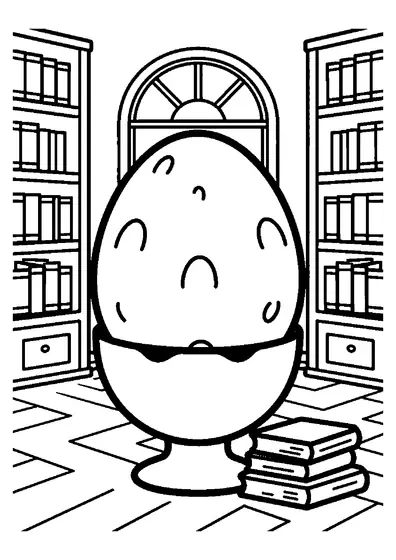
An Easter egg featuring polka dots and diamond shapes rests in a peaceful forest clearing near a bench and a rolled blanket.

A4 format (landscape), black outlines on a white background · for home and classroom use
All coloring pages: Easter Egg Coloring Pages
Similar coloring pages: Easter Egg Coloring Pages




What else can you print? Free, no account needed
Custom Name Coloring Pages
Enter your child's name to generate a custom coloring page featuring large outline letters to color and decorate.
Open generator →Connect the Dots Generator
Eight connect-the-dots pictures across three difficulty levels. Features faint outline guides for younger children and dots only for older kids.
Open generator →Printables
Worksheets, tracing lines, mazes and dot-to-dots in A4.
Browse printables →
Polka Dot and Diamond Egg in a Forest Clearing
At the edge of a sunny woodland clearing, an Easter egg decorated with polka dots and diamond patterns sits near an outdoor bench and a rolled blanket. Forest glades provide open spaces where sunlight filters through the tree canopy. Combining geometric dots and sharp diamond grids creates a playful aesthetic on seasonal egg displays.
Ecosystems of Forest Clearings
A forest clearing is a natural opening in a dense woodland created by fallen trees, natural streams, or forestry management. These open spots receive direct sunlight, allowing wild grasses, berry bushes, and woodland flowers to thrive. Small animals like rabbits, deer, and songbirds frequently visit clearings to forage for food and rest in warm sunlight.
Colors of the Woodland Scene
- Diamond and dot egg pattern: Bright orange, turquoise, white, and golden yellow
- Outdoor bench: Weathered cedar brown, barn red, or dark gray
- Rolled blanket: Plaid red and green, navy blue, or yellow wool
- Forest floor grass: Soft spring green or yellowish lawn green
- Surrounding tree bark: Dark brown, charcoal gray, or birch white