
Honeycomb Easter Egg on a Hallway Console Table
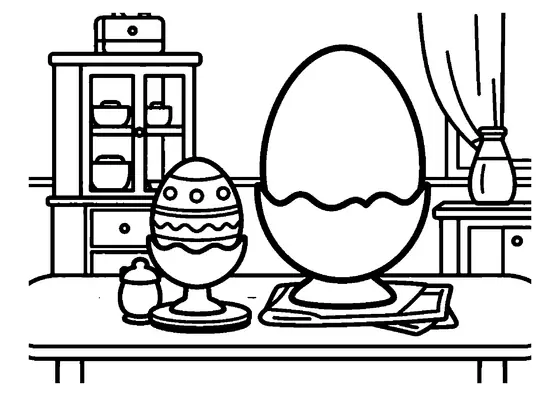
This page features an Easter egg decorated with a geometric honeycomb pattern sitting on a hallway console table next to a honey pot.

A4 format (portrait), black outlines on a white background · for home and classroom use
All coloring pages: Easter Egg Coloring Pages
Similar coloring pages: Easter Egg Coloring Pages



What else can you print? Free, no account needed
Custom Name Coloring Pages
Enter your child's name to generate a custom coloring page featuring large outline letters to color and decorate.
Open generator →Connect the Dots Generator
Eight connect-the-dots pictures across three difficulty levels. Features faint outline guides for younger children and dots only for older kids.
Open generator →Printables
Worksheets, tracing lines, mazes and dot-to-dots in A4.
Browse printables →
Honeycomb Patterned Easter Egg in a Hallway
A decorated Easter egg displaying a structured honeycomb pattern rests in an entryway setting on a console table. Beside the egg, a honey pot with a dipper sits nearby, completing a cozy home scene built around spring traditions and bee-inspired design motifs.
Fascinating Facts About Honeycombs and Honey
Honeybees build honeycombs using hexagonal wax cells because hexagon geometry provides maximum storage space using the minimal amount of wax material. Natural raw honey harvested from beehives comes in various shades ranging from light amber to deep brown, depending on which flowers the bees visited. A honey dipper is specially crafted with deep grooves to catch liquid honey without spilling it while drizzling.
Real Colors of the Scene Elements
- Honeycomb pattern on an egg: bright yellow, amber, or golden yellow
- Console table wood: natural oak, rich walnut brown, or warm reddish mahogany
- Honey inside a jar: clear golden amber, light yellow, or warm dark brown
- Wooden honey dipper: natural pale birch, light tan, or warm wood brown