
Princess in the Palace Carriage House
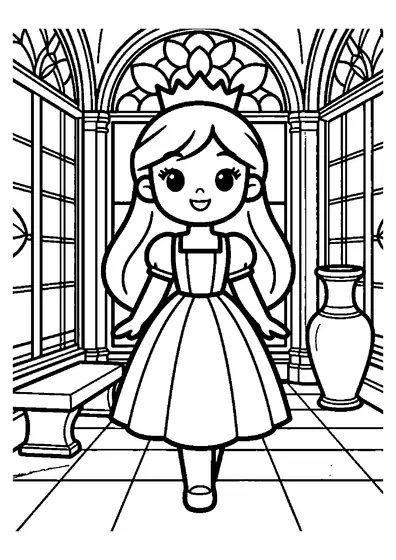
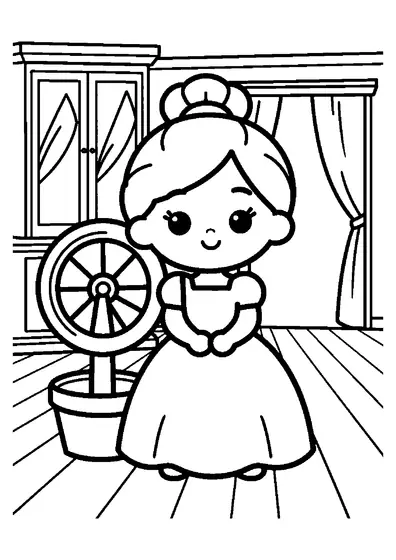
Before embarking on a royal journey, equipment and travel gear are prepared inside a spacious palace carriage house with brick flooring.

A4 format (landscape), black outlines on a white background · for home and classroom use
All coloring pages: Castle and Palace Coloring Pages
Similar coloring pages: Castle and Palace Coloring Pages




What else can you print? Free, no account needed
Custom Name Coloring Pages
Enter your child's name to generate a custom coloring page featuring large outline letters to color and decorate.
Open generator →Connect the Dots Generator
Eight connect-the-dots pictures across three difficulty levels. Features faint outline guides for younger children and dots only for older kids.
Open generator →Printables
Worksheets, tracing lines, mazes and dot-to-dots in A4.
Browse printables →
Inside the Palace Carriage House
Carriage houses were specialized outbuildings designed to store horse-drawn vehicles, harness gear, and travel equipment for royal estates. Inside this wide room with brick flooring and large double doors, a princess stands near a leather saddle and travel trunk. A heavy wooden vehicle wheel rests nearby, highlighting the preparation required before departing on long overland travels.
Horse Tack and Carriage Maintenance
Keeping royal carriages and riding gear ready for travel required skilled groomers, wheelwrights, and leatherworkers. Saddles were crafted from sturdy cowhide leather shaped over a wooden frame, requiring regular oiling to remain supple and durable. Carriage wheels combined curved wooden rims with iron tires fitted tightly around the exterior to withstand rough stone roads.
Real Colors of Carriage House Equipment
- Leather saddle: rich chestnut brown, dark tan, or black oiled leather
- Brick floor: warm reddish-brown, terracotta, or burnt orange brick
- Carriage wheel rim: natural oak wood with a dark iron outer rim
- Large carriage doors: dark green painted timber or natural stained oak
- Travel trunk straps: brass buckles with dark brown or black leather belts