
Scientific Illustrator Draws a Seashell
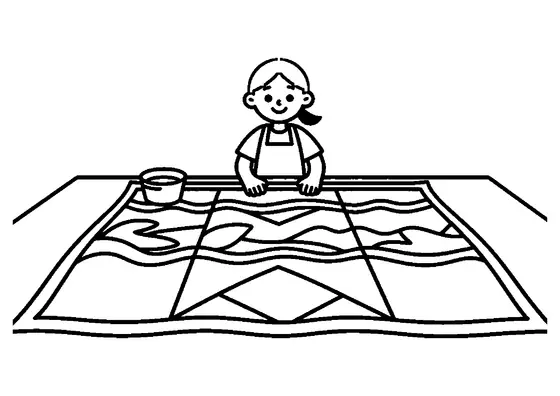
Science and art meet as a Scientific Illustrator works beside a large spiral shell model with ornamental divisions.

A4 format (landscape), black outlines on a white background · for home and classroom use
All coloring pages: Jobs and Professions Coloring Pages
Similar coloring pages: Jobs and Professions Coloring Pages


What else can you print? Free, no account needed
Custom Name Coloring Pages
Enter your child's name to generate a custom coloring page featuring large outline letters to color and decorate.
Open generator →Connect the Dots Generator
Eight connect-the-dots pictures across three difficulty levels. Features faint outline guides for younger children and dots only for older kids.
Open generator →Printables
Worksheets, tracing lines, mazes and dot-to-dots in A4.
Browse printables →
The Scientific Illustrator and Seashell
The Scientific Illustrator studies and draws a large spiral shell model organized into decorative areas. The shell's coiled form is the main subject, allowing its overall shape and changing proportions to be examined. The scene reflects the close observation needed when an illustration is intended to communicate scientific information.
Facts About Spiral Shells
Many seashells are made by mollusks, animals that add new material at the shell's opening as they grow. This process can create a widening spiral while preserving the shell's basic shape. Scientific illustrators carefully compare structures so that important features remain accurate and easy to recognize.
Realistic Colors for the Scientific Illustrator and Seashell
- Shell exterior: cream, tan, brown, peach, pink, or muted gray
- Spiral tip: pale beige, brown, or a darker version of the shell's main color
- Raised shell areas: ivory, sandy yellow, or warm tan
- Natural bands or patches: reddish brown, chestnut, gray, or white
- Scientific Illustrator's clothing: neutral gray, navy, green, or beige