
Scenic Artist Paints a Floral Panel
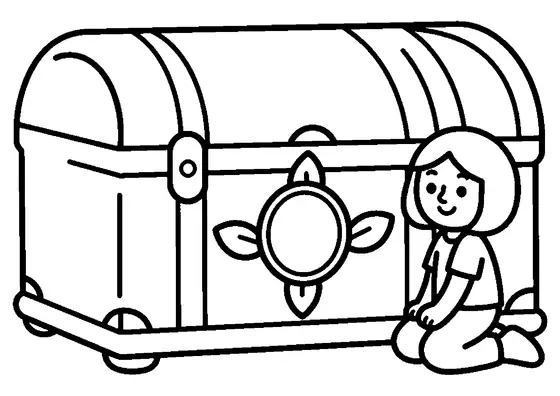
A scenic artist stands beside a large theater panel adorned with arches, leafy forms, and a flower at its center.

A4 format (landscape), black outlines on a white background · for home and classroom use
All coloring pages: Jobs and Professions Coloring Pages
Similar coloring pages: Jobs and Professions Coloring Pages

What else can you print? Free, no account needed
Custom Name Coloring Pages
Enter your child's name to generate a custom coloring page featuring large outline letters to color and decorate.
Open generator →Connect the Dots Generator
Eight connect-the-dots pictures across three difficulty levels. Features faint outline guides for younger children and dots only for older kids.
Open generator →Printables
Worksheets, tracing lines, mazes and dot-to-dots in A4.
Browse printables →
A Floral Panel for the Stage
The scene focuses on the work of a scenic artist and a large decorative panel intended for theatrical scenery. Arched sections organize the design, while leaves surround a prominent central flower in a balanced botanical arrangement. The artist works beside the panel, connecting the finished ornament with the skilled profession behind stage decoration.
Behind the Scenery
Scenic artists paint and finish scenery that helps establish the setting and mood of a performance. Botanical ornaments are especially useful in theater because their leaves, petals, and repeating forms can suggest anything from an elegant interior to a garden-inspired setting. Symmetrical decoration also makes a large panel feel orderly when viewed from across an auditorium.
Colors Found in Real Floral Decoration
- Scenic artist's work clothes: commonly black, navy blue, tan, or paint-marked denim
- Central flower: red, pink, yellow, purple, or cream, depending on the chosen species
- Leaves: usually green, with lighter young growth and darker mature areas
- Decorative arches: often painted in cream, gold, muted green, or warm brown for stage interiors
- Panel: commonly finished in coordinated colors that match the production's setting