
Sinraptor at a Sandy River Bend
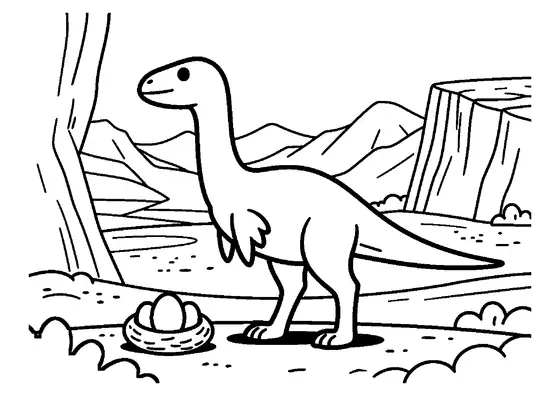
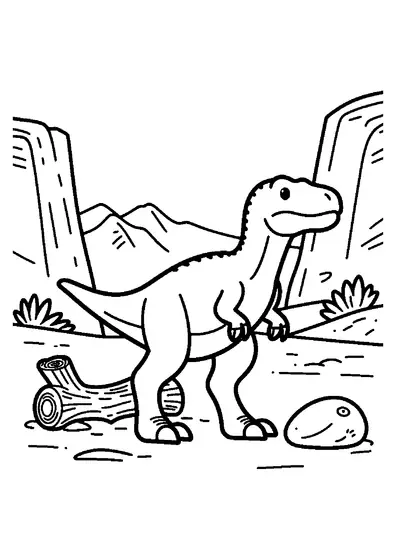
A Sinraptor walks beside the sandy curve of a prehistoric river beneath a sunny sky.

A4 format (landscape), black outlines on a white background · for home and classroom use
All coloring pages: Dinosaur Coloring Pages
Similar coloring pages: Dinosaur Coloring Pages




What else can you print? Free, no account needed
Custom Name Coloring Pages
Enter your child's name to generate a custom coloring page featuring large outline letters to color and decorate.
Open generator →Connect the Dots Generator
Eight connect-the-dots pictures across three difficulty levels. Features faint outline guides for younger children and dots only for older kids.
Open generator →Printables
Worksheets, tracing lines, mazes and dot-to-dots in A4.
Browse printables →
Sinraptor at the River Bend
The scene places Sinraptor on a sandy riverbank where the water bends through the prehistoric landscape. The dinosaur is walking beside the river in daylight, with the open bank forming its immediate surroundings. This setting connects a large land predator with a place where animals could find water and cross exposed sediment.
Interesting Facts About Sinraptor
Sinraptor was a large meat-eating dinosaur from Late Jurassic Asia and is known from fossils discovered in China. Despite the ending of its name, it was not one of the small, sickle-clawed dromaeosaurs commonly called raptors. River channels and floodplains can bury bones in sediment, helping remains enter the fossil record.
Realistic Colors for Sinraptor and the Riverbank
- Sinraptor's skin: unknown, with no confirmed full-body color preserved in its fossils
- Belly and throat: possibly lighter than the upper body, though this remains an artistic choice
- Eyes: plausible natural shades include amber, brown, or very dark brown
- Sandy bank: beige, pale gold, light brown, or muted gray
- River water: blue-green, brown, or gray depending on sediment, depth, and reflected light