
Carnotaurus on a Rocky Plateau
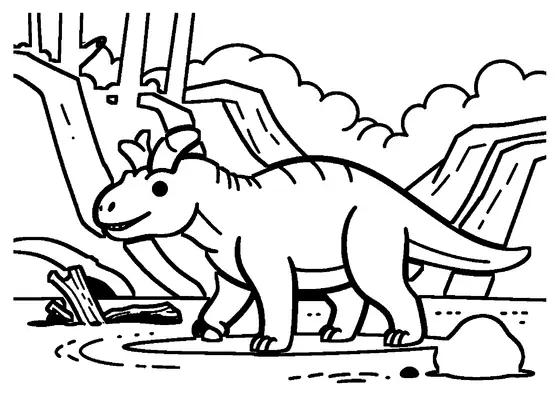
A horned Carnotaurus stands atop a rugged rocky plateau overlooking a prehistoric landscape.

A4 format (landscape), black outlines on a white background · for home and classroom use
All coloring pages: Predatory Dinosaur Coloring Pages
Similar coloring pages: Predatory Dinosaur Coloring Pages


What else can you print? Free, no account needed
Custom Name Coloring Pages
Enter your child's name to generate a custom coloring page featuring large outline letters to color and decorate.
Open generator →Connect the Dots Generator
Eight connect-the-dots pictures across three difficulty levels. Features faint outline guides for younger children and dots only for older kids.
Open generator →Printables
Worksheets, tracing lines, mazes and dot-to-dots in A4.
Browse printables →
Carnotaurus on Prehistoric Rocky Heights
A Carnotaurus featuring distinctive horns above its eyes stands on an elevated rocky plateau. The horned carnivore occupies a barren, rocky terrain high above ancient valleys.
Life on Prehistoric Plateaus
Carnotaurus lived in South America during the Late Cretaceous period in environments ranging from coastal plains to rocky uplands. Its forward-facing horns were unique among large predatory dinosaurs and were likely used in display or ritualized combat. The dry, rocky plateaus of its habitat provided clear vantage points for spotting movement across open ground.
Realistic Colors of Carnotaurus and Rocky Landscapes
- Carnotaurus body: sandy brown and reddish clay tones
- Horns: dark charcoal gray or horn-colored tan
- Plateau rocks: warm ochre, rust red, and weathered stone gray
- Ground gravel: muted brown and dusty tan