
Baryonyx Beside Simple Reeds
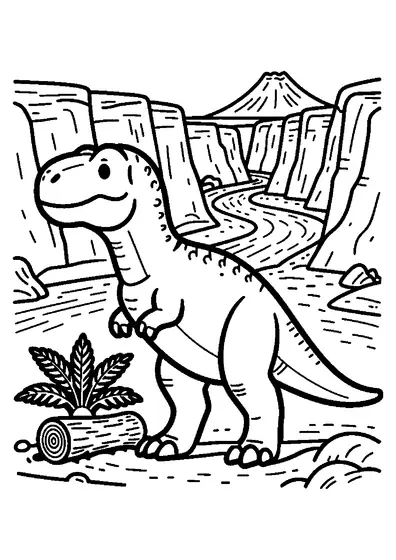
A smiling Baryonyx stands calmly on a patch of grass beside tall reeds, featuring its slender snout and curved claws.

A4 format (landscape), black outlines on a white background · for home and classroom use
All coloring pages: Predatory Dinosaur Coloring Pages
Similar coloring pages: Predatory Dinosaur Coloring Pages



What else can you print? Free, no account needed
Custom Name Coloring Pages
Enter your child's name to generate a custom coloring page featuring large outline letters to color and decorate.
Open generator →Connect the Dots Generator
Eight connect-the-dots pictures across three difficulty levels. Features faint outline guides for younger children and dots only for older kids.
Open generator →Printables
Worksheets, tracing lines, mazes and dot-to-dots in A4.
Browse printables →
A Smiling Baryonyx Beside Water Plants
A smiling Baryonyx is shown standing on grass next to simple reeds. The dinosaur features an elongated crocodile-like snout, sturdy legs, and a prominent curved claw on its first finger. The surrounding wetland vegetation reflects the riverbank habitat where this prehistoric predator searched for food.
A Fish-Eating Giant of Prehistoric Riverbanks
Baryonyx means heavy claw, named after the large nine-inch thumb claw it used to hook fish out of water. Its narrow snout contained ninety cone-shaped teeth, ideal for gripping slippery prey rather than tearing thick hide. Fossilized fish scales found inside a Baryonyx stomach provided direct evidence of its aquatic diet.
River Habitat Color Palette
- Baryonyx hide: Muted olive green, slate blue, or muddy brown
- Belly and throat: Soft cream, beige, or pale yellow
- Large thumb claw: Dark gray or weathered horn tone
- Reeds and grass: Bright spring green, olive, or dry straw yellow