
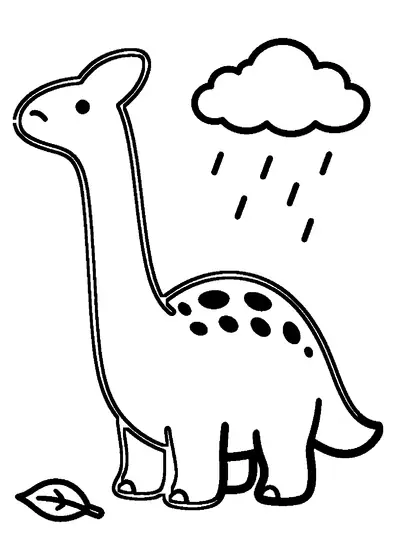
Lambeosaurus with a Hatchet-Shaped Crest
A serene herbivorous dinosaur shows off its distinctive hatchet-shaped crest and wide beak in profile.

A4 format (landscape), black outlines on a white background · for home and classroom use
All coloring pages: Herbivorous Dinosaur Coloring Pages
Similar coloring pages: Herbivorous Dinosaur Coloring Pages




What else can you print? Free, no account needed
Custom Name Coloring Pages
Enter your child's name to generate a custom coloring page featuring large outline letters to color and decorate.
Open generator →Connect the Dots Generator
Eight connect-the-dots pictures across three difficulty levels. Features faint outline guides for younger children and dots only for older kids.
Open generator →Printables
Worksheets, tracing lines, mazes and dot-to-dots in A4.
Browse printables →
Features of Lambeosaurus
Lambeosaurus is known for its unusual head ornamentation, which features a tall forward-pointing crest paired with a backward spine resembling an axe head. Its duck-like beak and sturdy build made it an efficient plant eater across Cretaceous floodplains.
Unique Crest Shapes in Prehistoric Animals
The hatchet crest contained intricate internal air passages connected to the respiratory tract. These complex chambers modified the animal's vocalizations, giving each species in the lambeosaurine family a unique auditory signature. Such distinct calls prevented accidental interbreeding and alerted nearby herd members to approaching threats.
Realistic Colors for Lambeosaurus
- Hatchet crest: bright yellow, terracotta red, or striped mahogany
- Body hide: sandy tan, grayish-brown, or deep forest green
- Broad beak: charcoal, dark slate, or horn brown
- Legs and feet: muddy brown, dark gray, or pale beige