
Diplodocus on a Rocky Path Beside a Geyser
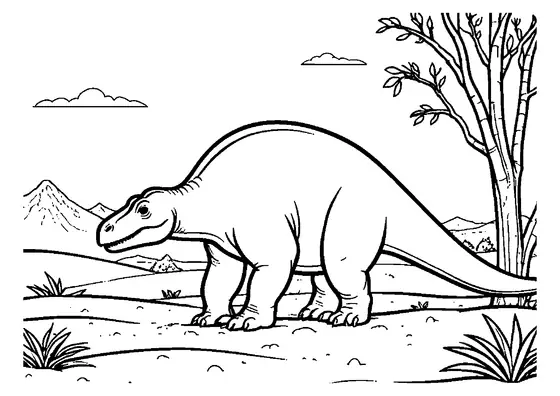
A giant Diplodocus dinosaur walks along a rugged stone trail past a steaming geothermal geyser.

A4 format (portrait), black outlines on a white background · for home and classroom use
All coloring pages: Herbivorous Dinosaur Coloring Pages
Similar coloring pages: Herbivorous Dinosaur Coloring Pages



What else can you print? Free, no account needed
Custom Name Coloring Pages
Enter your child's name to generate a custom coloring page featuring large outline letters to color and decorate.
Open generator →Connect the Dots Generator
Eight connect-the-dots pictures across three difficulty levels. Features faint outline guides for younger children and dots only for older kids.
Open generator →Printables
Worksheets, tracing lines, mazes and dot-to-dots in A4.
Browse printables →
Diplodocus Walking Near a Geothermal Geyser
A long-necked Diplodocus travels along a stony path surrounded by rocky cliffs. Nearby, an active geyser blasts hot steam into the air from deep underground fissures in the prehistoric landscape.
Prehistoric Life of the Giant Diplodocus
Diplodocus was one of the longest dinosaurs that ever lived, reaching lengths of over ninety feet from snout to tail tip. They used their extraordinary neck to reach soft leaves on high branches and low riverbank ferns without moving their massive body.
Real Colors of Prehistoric Landscapes and Dinosaurs
- Diplodocus skin: muted olive green, earthy brown, or slate gray
- Rocky cliffs: dark granite gray, ochre, or reddish brown
- Geyser steam: translucent white or pale gray vapor
- Ground terrain: dusty brown soil mixed with gray pebbles