
Camarasaurus Standing at an Angle
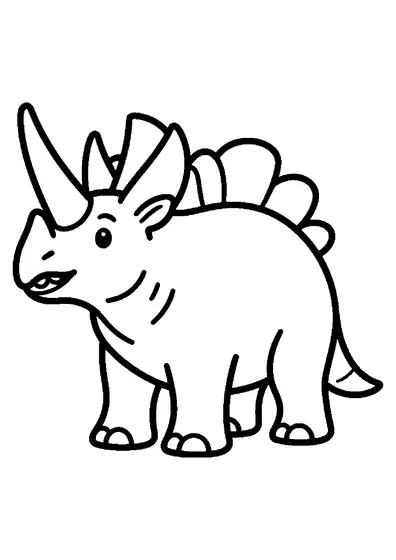
A smiling Camarasaurus dinosaur stands gracefully at a three-quarter angle in a prehistoric environment.

A4 format (portrait), black outlines on a white background · for home and classroom use
All coloring pages: Herbivorous Dinosaur Coloring Pages
Similar coloring pages: Herbivorous Dinosaur Coloring Pages


What else can you print? Free, no account needed
Custom Name Coloring Pages
Enter your child's name to generate a custom coloring page featuring large outline letters to color and decorate.
Open generator →Connect the Dots Generator
Eight connect-the-dots pictures across three difficulty levels. Features faint outline guides for younger children and dots only for older kids.
Open generator →Printables
Worksheets, tracing lines, mazes and dot-to-dots in A4.
Browse printables →
Camarasaurus Standing at a Three-Quarter Angle
A cheerful Camarasaurus dinosaur positions its massive body at an angle. Heavy legs, a thick neck, and a blunt skull give this large sauropod a sturdy posture as it looks ahead.
Fascinating Facts About Camarasaurus
Camarasaurus was one of the most common sauropod dinosaurs found in North America during the Late Jurassic period. Its name translates to "chambered lizard" because its backbone contained large hollow chambers that reduced overall weight. Traveling in social herds helped these giant plant eaters protect their young from large predators.
Natural Colors of Camarasaurus
- Thick body hide: Muted olive green or dusty gray
- Neck and upper back: Earthy brown with subtle mottling
- Underside and belly: Pale tan or light beige
- Heavy legs: Dark mud brown