
Pterodaustro in a Reed Delta
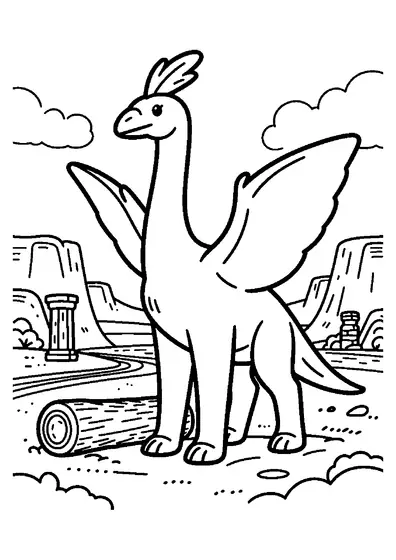
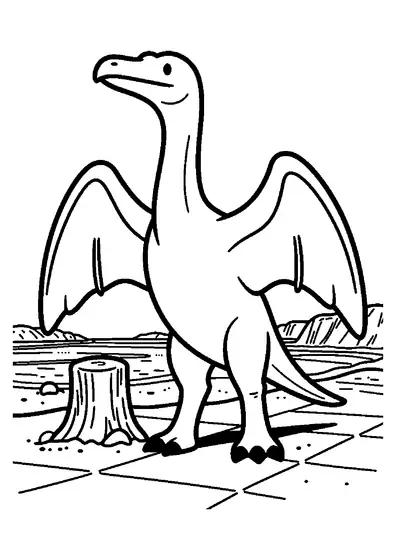
A curved-billed Pterodaustro moves through shallow water in a river delta filled with tall reeds, winding channels, and sandy islands.

A4 format (portrait), black outlines on a white background · for home and classroom use
All coloring pages: Flying and Sea Reptile Coloring Pages
Similar coloring pages: Flying and Sea Reptile Coloring Pages




What else can you print? Free, no account needed
Custom Name Coloring Pages
Enter your child's name to generate a custom coloring page featuring large outline letters to color and decorate.
Open generator →Connect the Dots Generator
Eight connect-the-dots pictures across three difficulty levels. Features faint outline guides for younger children and dots only for older kids.
Open generator →Printables
Worksheets, tracing lines, mazes and dot-to-dots in A4.
Browse printables →
Pterodaustro Wading in Delta Shallow Waters
A Pterodaustro with an upward-curved beak stands in the shallow water of a river delta. Thick bands of tall reeds grow along the banks near winding river channels. Small sandy islands rise out of the calm water around the wading reptile as it explores the marshy wetland.
How Pterodaustro Fed in Ancient Wetlands
Pterodaustro was a highly specialized filter feeder that lived in shallow lakes and river deltas. Its lower jaw contained thousands of bristle-like teeth that worked together like a sieve to strain tiny organisms out of the water. The combination of nutrient-rich river deltas and dense reed beds created the perfect environment for tiny crustaceans and algae to thrive.
Natural Colors of Pterodaustro and Wetland Delta
- Pterodaustro body skin: soft pink, gray, or pale orange tone
- Pterodaustro bill: grayish black or horn brown
- Delta reeds: deep emerald green, olive, or dry golden yellow
- River water channels: murky green, slate blue, or muddy gray
- Sandy delta islands: light beige, tan, or ochre