
Anhanguera by a Rocky Sea Cave
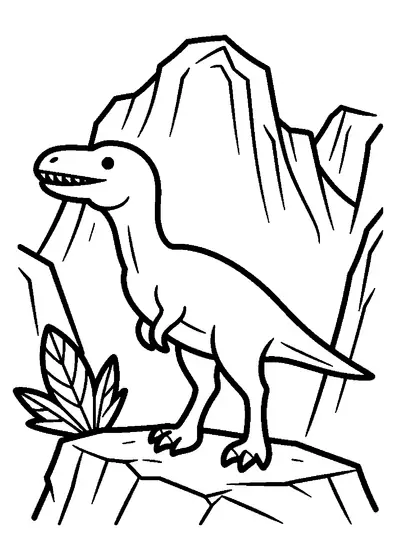
An Anhanguera pterosaur rests on coastal rocks near the opening of a sea cave along the ocean shore.

A4 format (portrait), black outlines on a white background · for home and classroom use
All coloring pages: Flying and Sea Reptile Coloring Pages
Similar coloring pages: Flying and Sea Reptile Coloring Pages




What else can you print? Free, no account needed
Custom Name Coloring Pages
Enter your child's name to generate a custom coloring page featuring large outline letters to color and decorate.
Open generator →Connect the Dots Generator
Eight connect-the-dots pictures across three difficulty levels. Features faint outline guides for younger children and dots only for older kids.
Open generator →Printables
Worksheets, tracing lines, mazes and dot-to-dots in A4.
Browse printables →
Anhanguera at the Sea Cave Entrance
An Anhanguera stands positioned on rugged coastal rock formations right near a seaside cavern entrance. Rocky cliffs and coastal stone surroundings encircle the cavern opening along the ocean shore.
Coastal Pterosaur Habits
Anhanguera featured rounded crests on both its upper and lower jaws, which stabilized its long snout when skimming across sea water to catch prey. The name Anhanguera comes from an Indigenous Tupi word meaning old devil, reflecting its impressive toothy jaw structure.
Marine Shoreline Colors
- Anhanguera skin and wings: warm sandy brown, tan, or muted gray
- Jaw crests: subtle reddish or orange highlights for natural display
- Coastal rocks: dark gray, wet basalt tones, and earthy brown stone
- Sea cave interior: deep charcoal, dark navy blue, and shadow black