
Easter Egg Beneath a Clematis Vine
A decorated Easter egg is patterned with symmetrical plant leaves and flower rosettes.

A4 format (landscape), black outlines on a white background · for home and classroom use
All coloring pages: Pattern and Ornament Coloring Pages
Similar coloring pages: Pattern and Ornament Coloring Pages

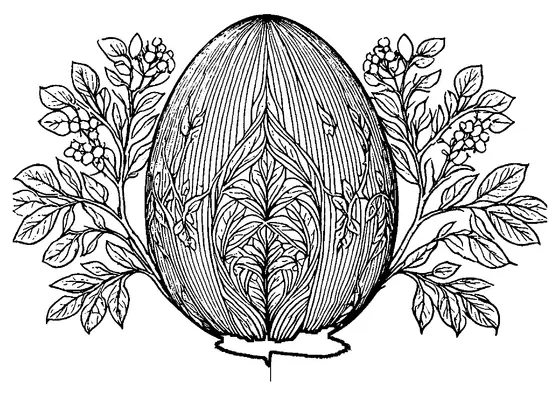
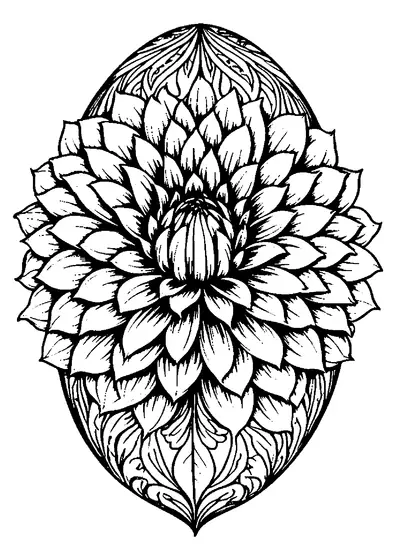



Symmetrical Plant Motifs on an Easter Egg
This design showcases an Easter egg adorned with a balanced, symmetrical botanical pattern. The decoration incorporates leaf forms and stylized floral rosettes arranged evenly across the egg surface, presenting a harmonious natural theme.
Remarkable Facts About Clematis Vines
Clematis is known as the queen of climbers due to its ability to scramble up trellises, fences, and trees using twisting leaf petioles rather than tendrils. Native to temperate zones in both the Northern Hemisphere and China, clematis species produce flowers ranging from small bell shapes to broad star-like blossoms. Gardener advice often emphasizes keeping the vine roots shaded and cool while allowing the flowering tops to reach full sunlight.
Natural Color Palette of Clematis and Botanical Patterns
- Clematis flower petals: deep violet, burgundy, sky blue, or white
- Central flower stamens: creamy yellow, pale tan, or pinkish purple
- Egg background surface: soft turquoise, blush pink, or warm eggshell
- Patterned leaves: deep forest green or bright spring green