
Easter Egg Among Wood Anemones
A decorated spring egg rests on a forest clearing surrounded by wild woodland flowers and tall trees.

A4 format (landscape), black outlines on a white background · for home and classroom use
All coloring pages: Pattern and Ornament Coloring Pages
Similar coloring pages: Pattern and Ornament Coloring Pages
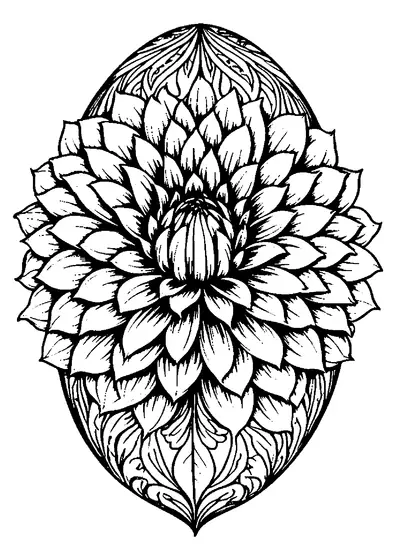


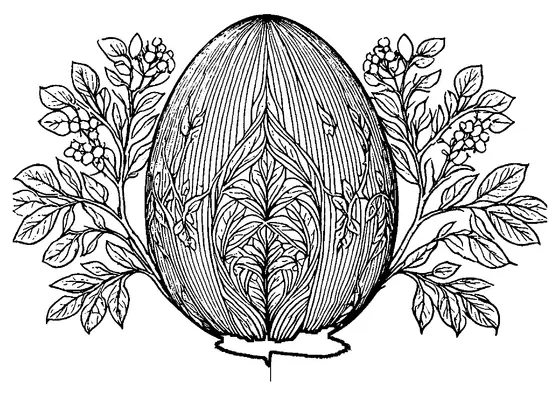

Easter Egg Surrounded by Wood Anemones in a Forest Clearing
In the center of the scene stands a large Easter egg covered with an ornamental plant pattern. It rests in a woodland setting surrounded by blooming wood anemones. Beyond the flowers, the background features tall trees growing in a quiet forest clearing.
Fascinating Facts About Wood Anemones and Woodland Flora
Wood anemones typically blossom early in spring before the tree canopy fully closes and blocks sunlight. Their white flowers track the sun across the sky during the day and close tight on cool nights or during rain. These woodland plants often form vast carpets across older forest floors over many decades.
Natural Colors of Wood Anemones and Forest Elements
- Wood anemone petals: white with delicate pinkish undersides
- Wood anemone stems and leaves: bright green
- Tree trunks: dark brown or gray bark
- Forest clearing soil and grass: rich green and earthy brown
- Traditional decorated Easter eggs: dyed using onion skins for natural reddish-brown tones