
Easter Egg Beneath Cascading Fuchsias
A lace-patterned Easter egg hangs suspended amidst leafy branches.

A4 format (portrait), black outlines on a white background · for home and classroom use
All coloring pages: Pattern and Ornament Coloring Pages
Similar coloring pages: Pattern and Ornament Coloring Pages
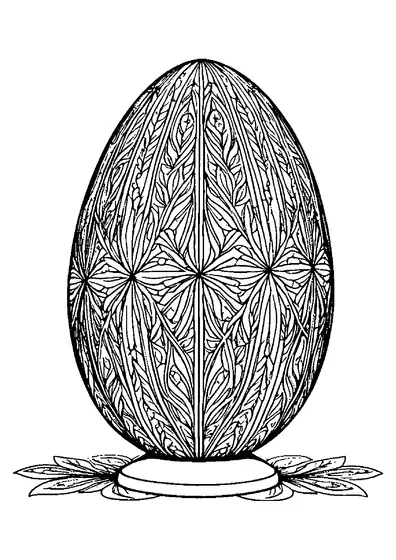

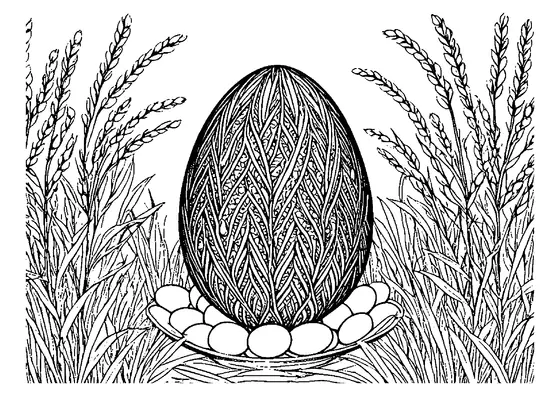


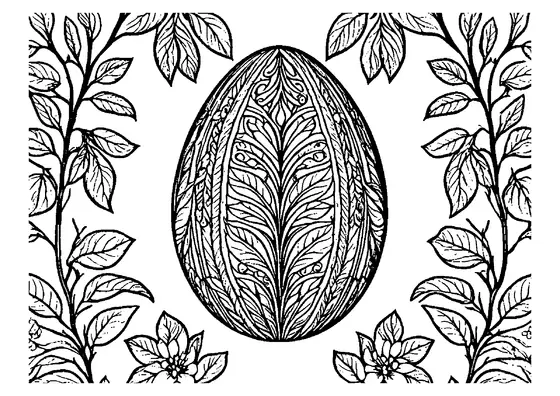
Hanging Easter Egg Surrounded by Leafy Branches
This scene depicts a decorated Easter egg hanging gracefully from above, adorned with intricate lace patterns. Leafy branches extend around the hanging egg from the top and sides, framing the central holiday ornament within a natural foliage setting.
Surprising Features of Fuchsia Plants
Fuchsia plants are famous for their distinctive teardrop-shaped flowers that dangle upside down from slender stems like colorful earrings. Most wild species originate from the cloud forests of Central and South America, where their nectar attracts hummingbirds as primary pollinators. After the flowers fade, fuchsia plants produce fleshy edible berries that have been harvested traditionally in regions such as New Zealand.
Colors Found in Fuchsias and Spring Foliage
- Fuchsia flower sepals: deep crimson, bright magenta, or coral pink
- Fuchsia inner petals: rich violet, purple, or creamy white
- Egg surface patterns: lavender, eggshell white, or sky blue
- Surrounding leaves: vibrant apple green or deep forest green
- Slender plant stems: reddish brown or warm olive green