
Hamadryas Baboon on a Rocky Hill
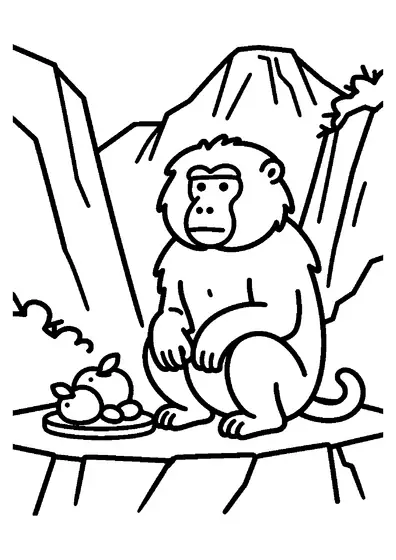
An African hamadryas baboon perches high on a rocky mountain ledge overlooking the surrounding terrain.

A4 format (portrait), black outlines on a white background · for home and classroom use
All coloring pages: African Animal Coloring Pages
Similar coloring pages: African Animal Coloring Pages



What else can you print? Free, no account needed
Custom Name Coloring Pages
Enter your child's name to generate a custom coloring page featuring large outline letters to color and decorate.
Open generator →Connect the Dots Generator
Eight connect-the-dots pictures across three difficulty levels. Features faint outline guides for younger children and dots only for older kids.
Open generator →Printables
Worksheets, tracing lines, mazes and dot-to-dots in A4.
Browse printables →
Hamadryas Baboon in a Mountainous Habitat
An adult baboon sits calmly on the edge of a steep rock formation. The rugged mountain landscape features stone surfaces and rocky terrain where these primates rest.
Fascinating Characteristics of Mountain Baboons
Hamadryas baboons live in large social groups called troops that can include hundreds of individuals. Males are easily recognized by their silver-gray mane, which covers their shoulders and chest like a heavy cloak. These primates are native to dry cliffs and rocky hills across Northeastern Africa and Arabia, where they spend their nights sleeping safely on high ledges.
Real Colors of the Hamadryas Baboon and Rocks
- Male baboon fur: silver gray with a lighter shoulder mane
- Female and juvenile fur: warm olive brown
- Baboon face and skin: pinkish tan or reddish skin
- Mountain rocks: slate gray, tan, and dark charcoal