
Ladybug in a Wooden Herb Planter on the Porch
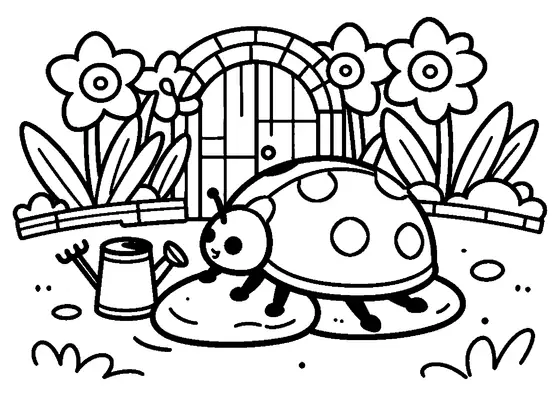
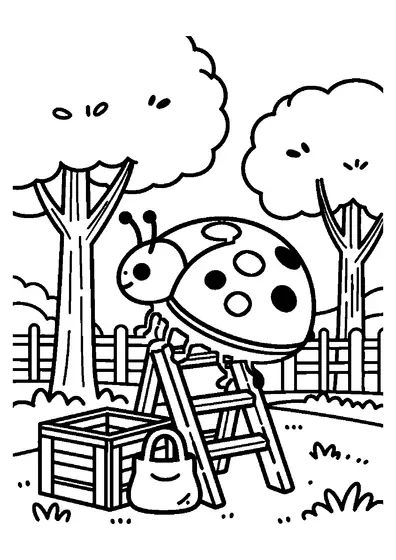
A tiny ladybug rests inside a wooden planter filled with garden herbs on a house porch next to a window.

A4 format (portrait), black outlines on a white background · for home and classroom use
All coloring pages: Ladybug Coloring Pages
Similar coloring pages: Ladybug Coloring Pages




What else can you print? Free, no account needed
Custom Name Coloring Pages
Enter your child's name to generate a custom coloring page featuring large outline letters to color and decorate.
Open generator →Connect the Dots Generator
Eight connect-the-dots pictures across three difficulty levels. Features faint outline guides for younger children and dots only for older kids.
Open generator →Printables
Worksheets, tracing lines, mazes and dot-to-dots in A4.
Browse printables →
A Ladybug Among Porch Herb Planters
This outdoor scene presents a ladybug inside a wooden planter box grown with fresh herbs, situated on a home porch near a window glass. Porch gardens create an inviting habitat where beneficial insects search for pests among fragrant culinary plants.
Fascinating Facts About Herbs and Beneficial Beetles
Herbs such as dill, cilantro, and parsley produce nectar-rich blossoms that attract ladybugs and other helpful insects to house porches. The aromatic oils in plant foliage help deter unwanted pests while giving natural shelter to small beetles.
Real Colors of Porch Herbs and Ladybugs
- Ladybug elytra shell: vibrant red or deep orange with black spots
- Herb leaves and stems: rich emerald green, pale sage, or mint green
- Wooden planter box: natural cedar brown, reddish pine, or gray wood finish
- Window pane and glass frame: clear glass with white, beige, or brown trim