
Ladybug Beside an Old Garden Well
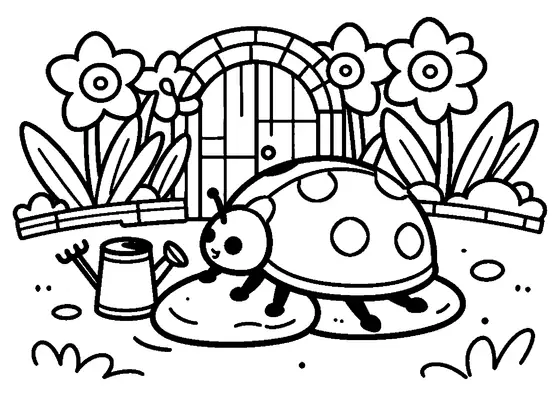
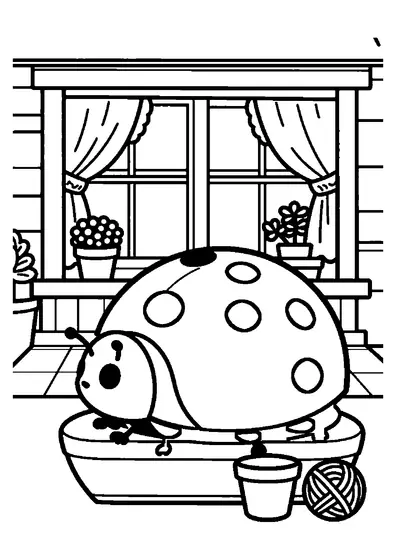
A red ladybug rests near an old wooden water well equipped with a roof structure and a hanging bucket.

A4 format (portrait), black outlines on a white background · for home and classroom use
All coloring pages: Ladybug Coloring Pages
Similar coloring pages: Ladybug Coloring Pages



What else can you print? Free, no account needed
Custom Name Coloring Pages
Enter your child's name to generate a custom coloring page featuring large outline letters to color and decorate.
Open generator →Connect the Dots Generator
Eight connect-the-dots pictures across three difficulty levels. Features faint outline guides for younger children and dots only for older kids.
Open generator →Printables
Worksheets, tracing lines, mazes and dot-to-dots in A4.
Browse printables →
A Country Ladybug by a Historic Water Well
This rural scene shows a ladybug positioned beside an old wooden well with an overhead roof and a water bucket. Country wells served as essential freshwater sources for generations, and their damp timber frames often attract moisture-loving garden insects.
Historical Facts About Country Wells and Insect Habitats
Old wooden wells were typically built over natural groundwater springs using durable timber such as oak or chestnut. The shaded, moist environment surrounding well structures creates an ideal microclimate where insects can cool off on hot sunny days.
Authentic Colors of Rural Wells and Beetles
- Ladybug shell covers: bright crimson, scarlet red, or orange
- Old wooden well timber: weathered dark gray, mossy brown, or aged oak
- Well roof shingles: deep slate gray, charcoal, or dark wood brown
- Water bucket: natural wood grain with dark iron bands and a steel handle