
Girl and Pony by a Castle Drawbridge
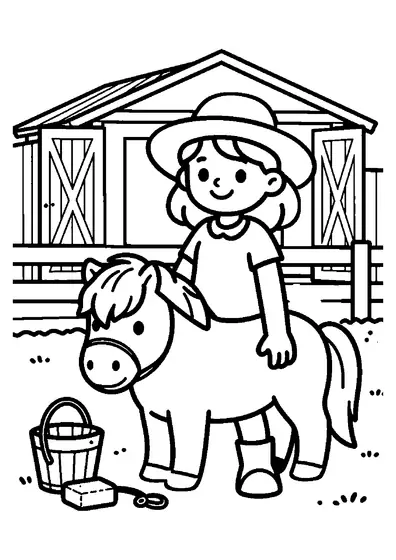
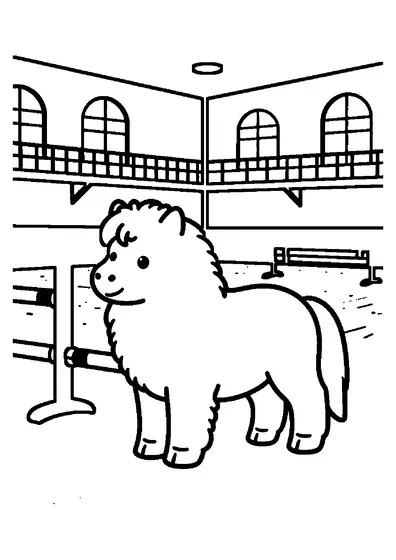
A young girl stands with her Shetland pony in front of a heavy wooden drawbridge at a medieval castle entrance.

A4 format (portrait), black outlines on a white background · for home and classroom use
All coloring pages: Pony Coloring Pages
Similar coloring pages: Pony Coloring Pages



What else can you print? Free, no account needed
Custom Name Coloring Pages
Enter your child's name to generate a custom coloring page featuring large outline letters to color and decorate.
Open generator →Connect the Dots Generator
Eight connect-the-dots pictures across three difficulty levels. Features faint outline guides for younger children and dots only for older kids.
Open generator →Printables
Worksheets, tracing lines, mazes and dot-to-dots in A4.
Browse printables →
A Girl and Shetland Pony Outside a Castle Entrance
Standing outside a castle gate, a girl accompanies her Shetland pony near a large wooden drawbridge. Medieval castles featured heavy fortification structures designed to protect inhabitants from outside hazards while controlling entry across surrounding moats. Shetland ponies have long been trusted companions for children due to their calm nature and manageable height.
Historical Facts About Castle Drawbridges
Castle drawbridges were heavy wooden platforms connected to iron chains or thick ropes that could be raised or lowered over a water moat. When raised vertically against the gatehouse entrance, the drawbridge formed a secondary barrier blocking access to the castle interior. Lowering the bridge allowed visitors, riders, and supply carts to cross safely into the fortress courtyard.
Real World Colors of Medieval Castles and Ponies
- Wooden drawbridge: Dark oak brown, weathered gray timber, with iron fittings
- Shetland pony coat: Rich chestnut, dark bay brown, black, or cream palomino
- Girl clothing: Medieval tunic or dress in crimson red, cobalt blue, or emerald green
- Castle stone gatehouse: Light gray granite, beige sandstone, or mossy stonework
- Drawbridge support chains: Forged black iron or rusted dark brown steel