
Clownfish Side View
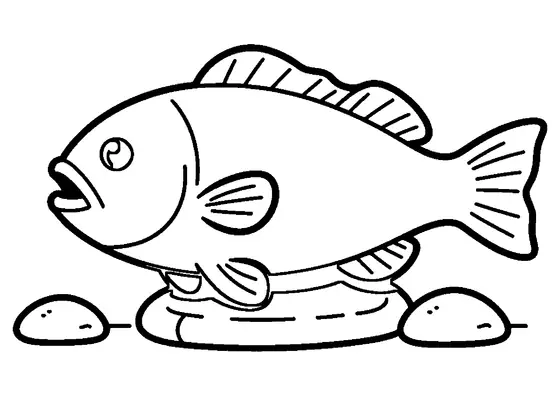
A side profile of a clownfish showcasing its rounded body shape, broad vertical stripes, and distinct fan-shaped tail fin.

A4 format (landscape), black outlines on a white background · for home and classroom use
All coloring pages: Fish and Ocean Life Coloring Pages
Similar coloring pages: Fish and Ocean Life Coloring Pages



What else can you print? Free, no account needed
Custom Name Coloring Pages
Enter your child's name to generate a custom coloring page featuring large outline letters to color and decorate.
Open generator →Connect the Dots Generator
Eight connect-the-dots pictures across three difficulty levels. Features faint outline guides for younger children and dots only for older kids.
Open generator →Printables
Worksheets, tracing lines, mazes and dot-to-dots in A4.
Browse printables →
The Distinctive Features of a Clownfish
Clownfish are recognized by their compact, curved body shape, prominent vertical body stripes, and broad, fan-like tail. These tropical marine creatures are active swimmers that rely on their sturdy fins to maneuver through shallow coastal ocean waters.
Hidden Wonders of Reef Dwellers
Clownfish maintain a unique symbiotic partnership with sea anemones, using the stinging tentacles as protection against larger predators. In exchange, the fish help clean the host organism and improve water circulation around its base. These small reef fish are covered in a special mucus coating that protects their skin from venomous stings.
Natural Colors of the Clownfish
- Clownfish body: Vibrant orange or warm reddish-orange
- Vertical body stripes: Pure white
- Stripe edges and fin borders: Deep black
- Eyes: Dark brown with black pupils