
Farm Animal Coloring Pages
Farm animal coloring pages for kids ages 6 to 10: cows, pigs, sheep, goats, horses, roosters and turkeys around the barn, plus tractors and farm helpers, free to print.
213 coloring pages · page 1 of 12
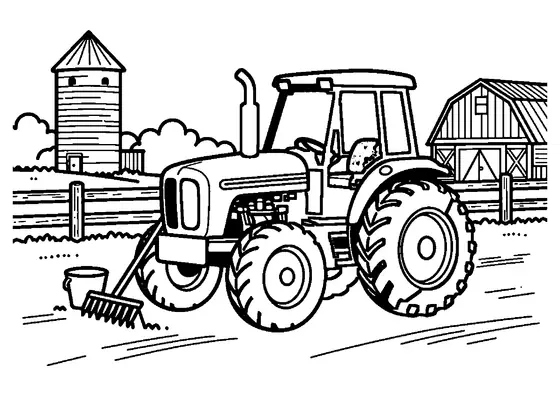
Tractor with a Large Harrow on a Country Road
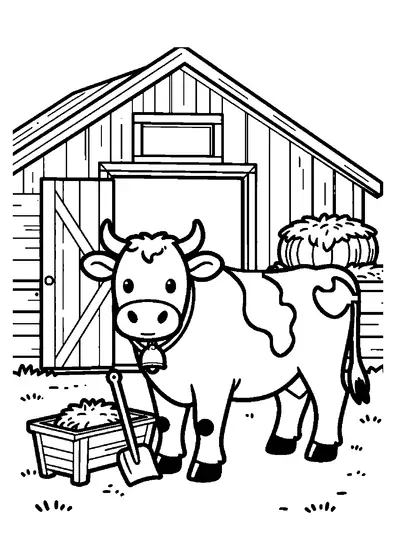
Spotted Cow by a Country Barn with Hay
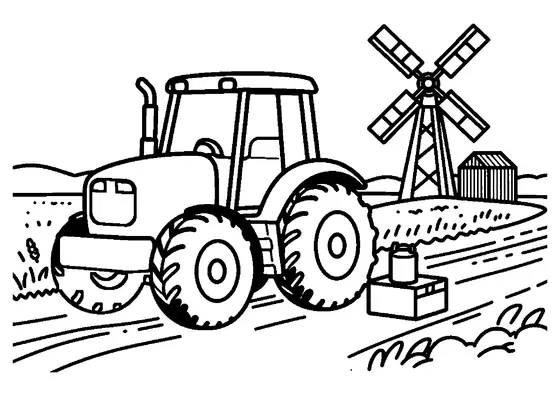
Tractor with a Reversible Plow in a Stubble Field
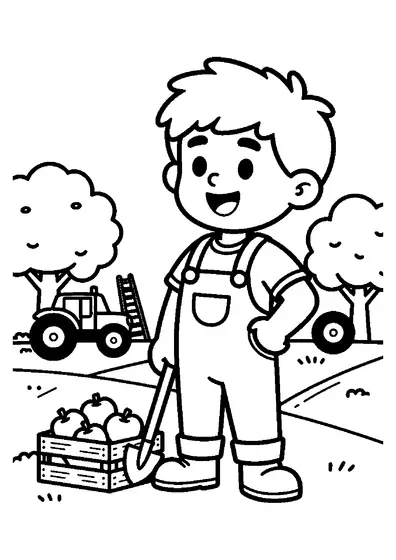
Cheerful Farmer Beside a Tractor in an Orchard
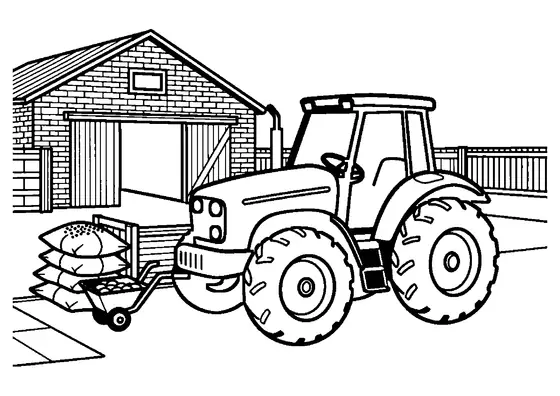
Tractor with a Box Trailer by a Farm Storehouse

Draft Horse in a Paddock by a Country Stable

Orchard Tractor with a Sprayer in a Polytunnel

Pig in a Cozy Sty with a Feeding Trough

Rooster and Hen in the Chicken Coop Yard
- Advertisement

Tracked Tractor on a Mountain Farm Field

Sheep in a Country Meadow by a Wooden Hay Rack

Tractor with a Mower in a Summer Meadow

Tractor and Trailer at the Edge of a Field

Red Tractor Plowing a Cornfield

Tracked Tractor Beside a Modern Barn

Farmer Beside a Tractor in the Farmyard

Tractor Mowing a Mountain Meadow

Old Tractor Beside a Haystack
Farm Animal Coloring Pages — what you will find on this page
These farm animal coloring pages bring the barnyard to the coloring table. Kids will find cows and calves, pigs, sheep and lambs, goats, draft horses and ponies, roosters, hens, ducks and turkeys, all drawn in a real farm setting with barns, fences, paddocks and hay feeders. Tractors fit right in, so the collection shows farm animals and farm work side by side.
Kids can color a proud rooster by a farm fence at daybreak, a pink pig in a muddy pen by the pigsty, a fluffy sheep and lamb by a wooden hay feeder, a happy goat on a wooden platform and a draft horse by a hay feeder in the paddock. Farm life pages show a girl feeding calves by a tractor, a boy in overalls feeding sheep, a young farm helper beside a vintage tractor and a red tractor plowing a cornfield. The category also has pages about caring for animals, such as a veterinarian with a pony, a vet assistant with a duckling and pets like guinea pigs, hamsters and parrots.
The pages are medium difficulty for kids ages 6 to 10. Bold outlines keep the animals easy to color, while barn planks, straw, fences and wool add smaller areas that ask for focus. Coloring them builds pencil grip and fine motor precision and makes a calm, screen-free activity.
Younger kids can start with a single animal, like a calf in the meadow or a hen in the barnyard. Older kids will enjoy the full farmyard scenes with tractors and fields. The pages are a good starting point for learning animal sounds, the names of baby animals and what each animal gives us.
All sheets are free to download and print in black and white. They are sized for A4 paper; if you use US Letter, choose "Fit to page" in the print settings. Regular printer paper (20 lb, about 80–90 gsm) works well for colored pencils and crayons, while markers and paints need heavier paper or cardstock so the color does not bleed through.
For more farm machinery, visit Tractor Coloring Pages; for other animals, explore Wild Animal Coloring Pages and Bunny Coloring Pages in the Animals section.
In short
Labugen's farm animal coloring pages are free printable A4 sheets of cows, pigs, sheep, goats, horses and poultry in barnyard scenes, along with tractors, farm helpers and animal care. The medium-difficulty drawings are designed for kids ages 6 to 10.