
Chinstrap Penguin Beside an Equipment Crate
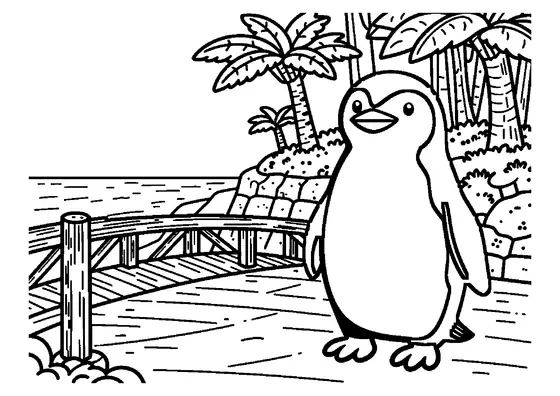
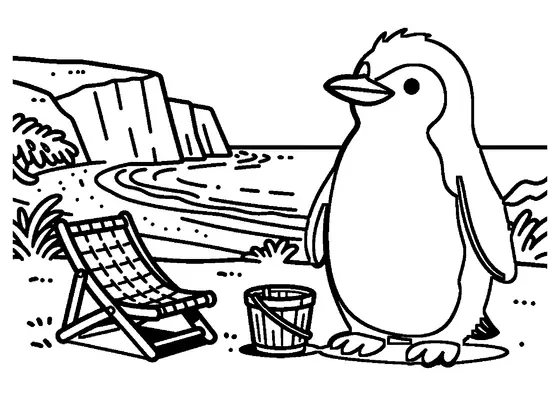
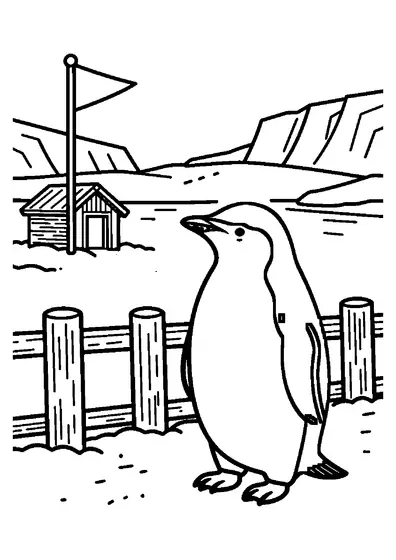
A chinstrap penguin appears near an equipment crate and a brass lantern on a polar harbor wharf.

A4 format (landscape), black outlines on a white background · for home and classroom use
All coloring pages: Penguin Coloring Pages
Similar coloring pages: Penguin Coloring Pages



What else can you print? Free, no account needed
Custom Name Coloring Pages
Enter your child's name to generate a custom coloring page featuring large outline letters to color and decorate.
Open generator →Connect the Dots Generator
Eight connect-the-dots pictures across three difficulty levels. Features faint outline guides for younger children and dots only for older kids.
Open generator →Printables
Worksheets, tracing lines, mazes and dot-to-dots in A4.
Browse printables →
Chinstrap Penguin on a Polar Harbor Wharf
This scene features a chinstrap penguin near a large equipment crate and a brass lantern on a polar harbor wharf. Chinstrap penguins are native to Antarctic and sub-Antarctic shores, where human coastal supply stations and harbors operate.
Distinctive Markings of the Antarctic Coast
Chinstrap penguins are easily recognized by the thin black band running under their chin, which looks like a helmet strap. They live in large colonies on rocky Antarctic islands and spend much of their time hunting krill and small fish in icy waters. Their strong swimming abilities allow them to dive deeper than 200 feet to catch food.
Natural Colors of the Chinstrap Penguin
- Narrow chin strap: thin black line extending beneath the chin from ear to ear
- Back, tail, and flippers: dark slate black
- Face, throat, and front body: bright white
- Eyes: dark reddish-brown
- Bill: short black
- Equipment crate: natural wood brown
- Lantern: metallic brass yellow