
Chinstrap Penguin Beside a Frosty Navigation Buoy
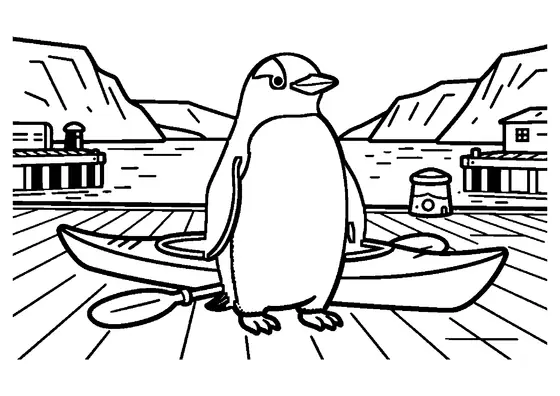
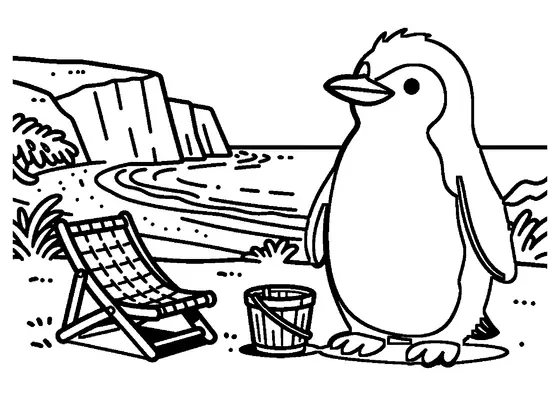
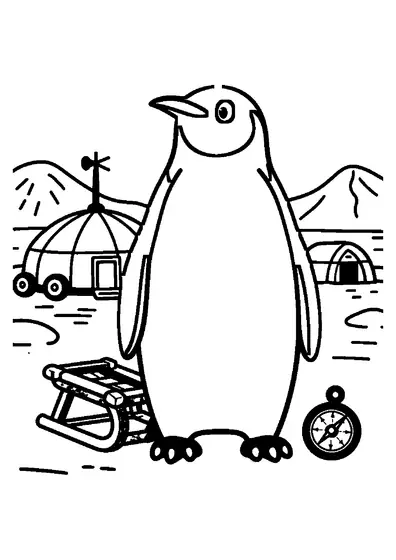
A chinstrap penguin stands along a rocky shore near a frosted maritime navigation buoy and sea cliffs.

A4 format (portrait), black outlines on a white background · for home and classroom use
All coloring pages: Penguin Coloring Pages
Similar coloring pages: Penguin Coloring Pages



What else can you print? Free, no account needed
Custom Name Coloring Pages
Enter your child's name to generate a custom coloring page featuring large outline letters to color and decorate.
Open generator →Connect the Dots Generator
Eight connect-the-dots pictures across three difficulty levels. Features faint outline guides for younger children and dots only for older kids.
Open generator →Printables
Worksheets, tracing lines, mazes and dot-to-dots in A4.
Browse printables →
Chinstrap Penguin by Coastal Cliffs
A chinstrap penguin rests on a rocky shoreline near a large navigation buoy covered in frost. Steep coastal cliffs tower in the background near the ocean water.
Life on Rocky Polar Shorelines
Chinstrap penguins inhabit icy islands and rocky coastlines surrounding Antarctica, often building nests out of small stones on steep slopes. Their distinctive black line under the chin looks like a narrow helmet strap, giving them their common name. They are extremely agile climbers capable of scrambling up steep, boulder-strewn hillsides to reach safe nesting grounds.
Real Colors of Chinstrap Penguins and Maritime Markers
- Chin marking: thin, distinct black line running under the white throat
- Head cap and back: glossy black
- Face and chest: pure white
- Navigation buoy: bright red or international orange with white frosted patches
- Coastal rocks: dark gray, brown, or slate blue