
Polar Bear on a Snowy Ridge
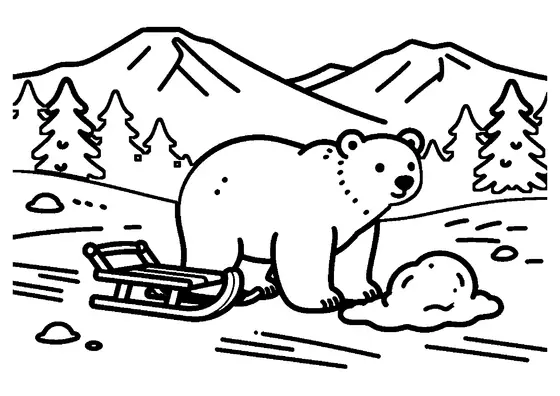
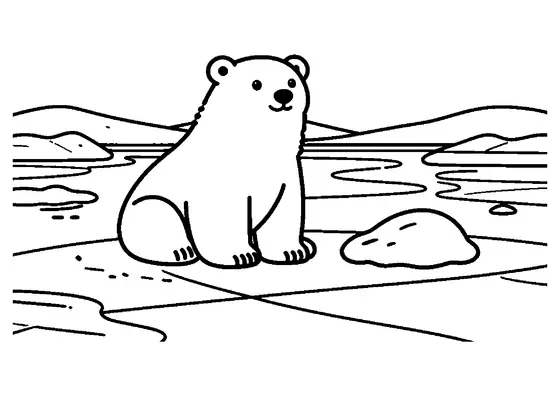
This illustration highlights a solitary polar bear standing upon a rugged Arctic ridge surrounded by ice.

A4 format (portrait), black outlines on a white background · for home and classroom use
All coloring pages: Bear Coloring Pages
Similar coloring pages: Bear Coloring Pages



What else can you print? Free, no account needed
Custom Name Coloring Pages
Enter your child's name to generate a custom coloring page featuring large outline letters to color and decorate.
Open generator →Connect the Dots Generator
Eight connect-the-dots pictures across three difficulty levels. Features faint outline guides for younger children and dots only for older kids.
Open generator →Printables
Worksheets, tracing lines, mazes and dot-to-dots in A4.
Browse printables →
Polar Bears in the Arctic Landscape
A polar bear stands on a windswept ridge surrounded by layers of snow and ice. The cold environment features a large snowdrift alongside a sheet of ice, reflecting the frozen wilderness where these impressive mammals travel.
Surprising Facts About High Ridge Environments
Arctic ridges often form when strong polar winds blow loose snow against rocky formations, creating firm snowdrifts. Polar bears frequently navigate these high areas because elevated vantage points allow them to catch scents carried across long distances by wind currents.
Natural Colors of the Polar Bear and Ice
- Polar bear fur: translucent fibers that reflect sunlight, making the coat appear white or cream
- Polar bear skin: dark black beneath the thick fur to absorb thermal heat
- Polar bear nose and paws: solid black with dark pads for traction
- Snowdrift: bright white with subtle light blue highlights in shaded areas
- Sheet of ice: pale cyan or deep blue where the frozen layer is thickest