
Bear on a Beech Forest Trail
A woodland bear wanders down a winding trail through an autumn beech forest past rocks and fallen logs.

A4 format (portrait), black outlines on a white background · for home and classroom use
All coloring pages: Bear Coloring Pages
Similar coloring pages: Bear Coloring Pages


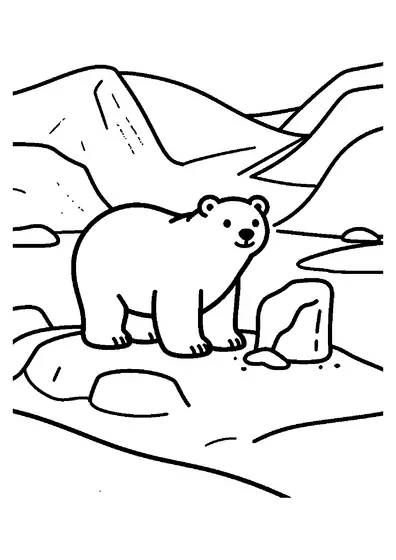
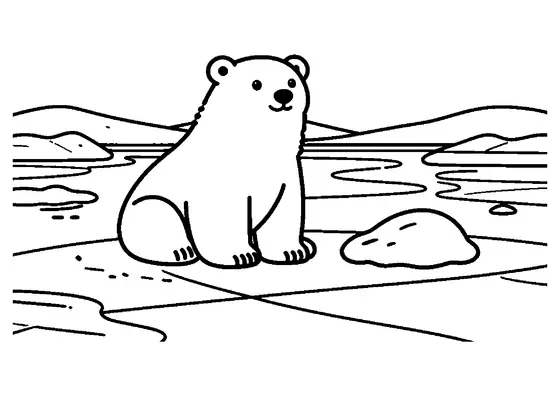


What else can you print? Free, no account needed
Custom Name Coloring Pages
Enter your child's name to generate a custom coloring page featuring large outline letters to color and decorate.
Open generator →Connect the Dots Generator
Eight connect-the-dots pictures across three difficulty levels. Features faint outline guides for younger children and dots only for older kids.
Open generator →Printables
Worksheets, tracing lines, mazes and dot-to-dots in A4.
Browse printables →
A Bear Exploring a Beech Forest Path
A bear walks along a winding forest trail framed by tall beech tree trunks and fallen autumn leaves. Beside the path, a weatherworn tree stump and a large boulder line the peaceful woodland walkway.
Seasonal Changes in Beech Woodlands
Beech leaves turn vibrant shades of yellow, bronze, and copper before dropping to the forest floor each fall. Bears spend the autumn season constantly foraging for food along trail edges to build up thick energy reserves before cold winter weather arrives.
Natural Palette of Autumn Woodlands
- Bear fur: dark brown, cinnamon, or deep black
- Beech autumn leaves: copper orange, golden yellow, and rust red
- Tree trunks: smooth silver-gray bark characteristic of beech trees
- Tree stump: weathered dark brown wood with mossy patches
- Large rock: speckled granite gray or earth-toned slate