
Narrow Gauge Train at Wooden Platform
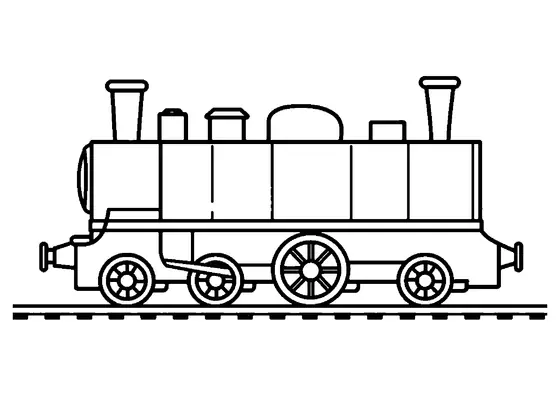
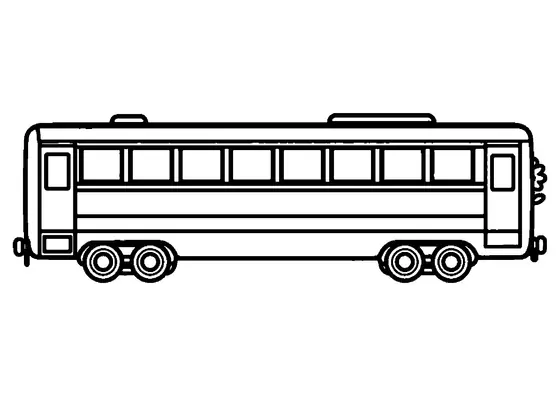
A compact narrow-gauge train sits parked beside a low wooden boarding platform.

A4 format (landscape), black outlines on a white background · for home and classroom use
All coloring pages: Train Coloring Pages
Similar coloring pages: Train Coloring Pages




What else can you print? Free, no account needed
Custom Name Coloring Pages
Enter your child's name to generate a custom coloring page featuring large outline letters to color and decorate.
Open generator →Connect the Dots Generator
Eight connect-the-dots pictures across three difficulty levels. Features faint outline guides for younger children and dots only for older kids.
Open generator →Printables
Worksheets, tracing lines, mazes and dot-to-dots in A4.
Browse printables →
Compact Narrow-Gauge Locomotive at the Platform
A small narrow-gauge train rests alongside a simple passenger platform constructed from timber. The vehicle features a prominent smokestack mounted on top of the boiler and large wheels positioned beneath the main chassis, characteristic of historic light railways.
Features of Narrow-Gauge Railways
Narrow-gauge lines use track spacings narrower than standard rail networks, allowing trains to navigate tight curves and steep mountain passes with ease. These lightweight railways often connected remote villages, timber yards, and coastal industrial sites where building full-sized tracks proved too expensive or difficult.
Authentic Colors of Narrow-Gauge Trains
- Locomotive boiler and cab: Dark red, forest green, or black metal
- Wooden station platform: Weathered brown or gray timber
- Train wheels and chassis: Dark iron or black steel
- Smokestack funnel: Matte black heat-resistant finish