
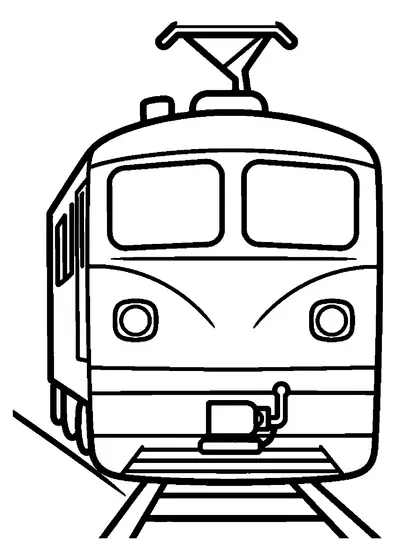
Mountain Cog Railway Train
A compact cog railway locomotive with expansive cab windows rests on a steep mountain track.

A4 format (portrait), black outlines on a white background · for home and classroom use
All coloring pages: Train Coloring Pages
Similar coloring pages: Train Coloring Pages




What else can you print? Free, no account needed
Custom Name Coloring Pages
Enter your child's name to generate a custom coloring page featuring large outline letters to color and decorate.
Open generator →Connect the Dots Generator
Eight connect-the-dots pictures across three difficulty levels. Features faint outline guides for younger children and dots only for older kids.
Open generator →Printables
Worksheets, tracing lines, mazes and dot-to-dots in A4.
Browse printables →
Cog Locomotives on Steep Slopes
Mountain rack railways use specialized train engines capable of climbing steep slopes that standard steel-wheel trains cannot navigate. This mountain locomotive features a short cab, wide glass windows, and rests directly on an inclined track equipped with a center rack rail.
How Cog Railways Climb Mountains
Standard train wheels lose traction on inclines steeper than a few percent, so cog trains use a mechanical cogwheel beneath the engine frame. This gear meshes directly into a notched steel rack rail laid between the two regular tracks, pulling the train upward safely without slipping. On the descent, the same gear system provides powerful braking action to keep the passenger train at a controlled speed down the mountain slope.
Common Colors of Mountain Cog Trains
- Main locomotive cab: bright red, yellow, or deep green for visibility against mountain snow
- Window frames: black or dark metallic gray
- Center rack rail: dark steel gray or oil-coated dark brown
- Running wheels: dark charcoal steel
- Outer rails: weathered steel brown with bright silver tops