
Tractor with a Rotary Tedder in a Mown Meadow
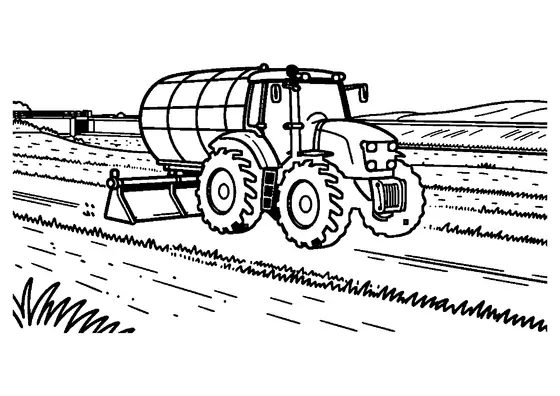
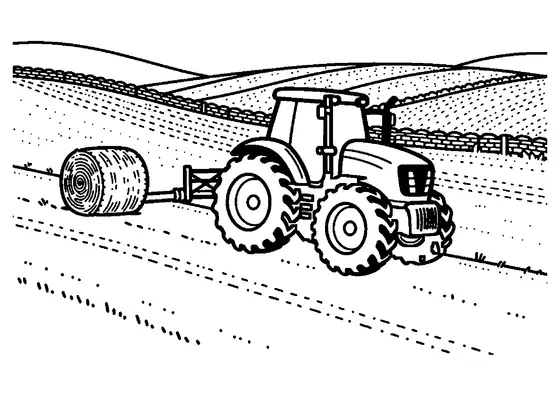
A farm tractor pulls a rotary tedder across a freshly mown meadow to lift and scatter damp cut grass.

A4 format (landscape), black outlines on a white background · for home and classroom use
All coloring pages: Combine Harvester Coloring Pages
Similar coloring pages: Combine Harvester Coloring Pages



What else can you print? Free, no account needed
Custom Name Coloring Pages
Enter your child's name to generate a custom coloring page featuring large outline letters to color and decorate.
Open generator →Connect the Dots Generator
Eight connect-the-dots pictures across three difficulty levels. Features faint outline guides for younger children and dots only for older kids.
Open generator →Printables
Worksheets, tracing lines, mazes and dot-to-dots in A4.
Browse printables →
Tedding Operations in Meadow Management
Farmers use rotary tedders to speed up the natural drying process of cut grass intended for animal feed. The spinning tines lift the dense carpet of mown vegetation, spreading it evenly across the field so sunlight and wind can evaporate moisture before baling.
Mechanics of Rotary Hay Spreading
Rotary tedders feature spinning rotors equipped with flexible spring tines that catch the grass without digging into the turf. Power comes from the tractor PTO shaft, which rotates the machinery at high speed. Proper drying prevents mold growth and preserves essential nutrients inside the stored forage.
Colors of Meadow Machinery and Fresh Forage
- Farm tractor body: Bright green, dark red, or navy blue
- Rotary tedder frame: Red or yellow painted steel with silver metal tines
- Tractor rubber wheels: Dark gray with deep mud treads
- Freshly cut grass: Pale green mixed with yellowish-green stems
- Meadow ground: Deep green grass turf with brown soil patches