
Tractor Sowing Grain After the Fall Harvest
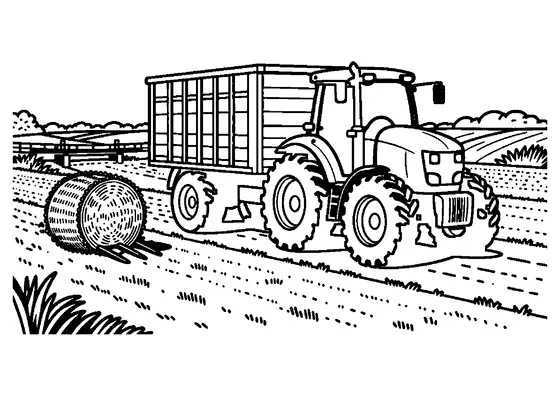
This page features an agricultural tractor operating a grain drill to plant winter wheat right after the fall harvest.

A4 format (portrait), black outlines on a white background · for home and classroom use
All coloring pages: Combine Harvester Coloring Pages
Similar coloring pages: Combine Harvester Coloring Pages



What else can you print? Free, no account needed
Custom Name Coloring Pages
Enter your child's name to generate a custom coloring page featuring large outline letters to color and decorate.
Open generator →Connect the Dots Generator
Eight connect-the-dots pictures across three difficulty levels. Features faint outline guides for younger children and dots only for older kids.
Open generator →Printables
Worksheets, tracing lines, mazes and dot-to-dots in A4.
Browse printables →
Planting Winter Wheat with Farm Machinery
After farmers collect the autumn crops, they immediately prepare the soil for the next season. A tractor attached to a seed drill moves across the open field, carefully distributing seeds into fresh furrows. Planting before winter allows crops to germinate and establish strong root systems before the cold weather sets in.
Insights into Autumn Sowing
Winter wheat requires a cooling period called vernalization to flower and produce grain properly in the spring. Sowing right after the fall harvest takes advantage of warm soil temperatures and remaining soil moisture from summer rains. Seed drills help place each grain at an even depth so the crop grows uniformly across the field.
Natural Colors of Wheat Sowing Equipment
- Farm tractor body: Bright green, red, or blue
- Grain drill hopper: Dark green, gray, or yellow
- Soil in the field: Dark brown or rich black
- Wheat seeds: Pale golden yellow or tan