
Research Helicopter with Antenna – Front View
A front-facing scientific aircraft features specialized rooftop antennas designed to collect atmospheric and environmental data.

A4 format (portrait), black outlines on a white background · for home and classroom use
All coloring pages: Helicopter Coloring Pages
Similar coloring pages: Helicopter Coloring Pages


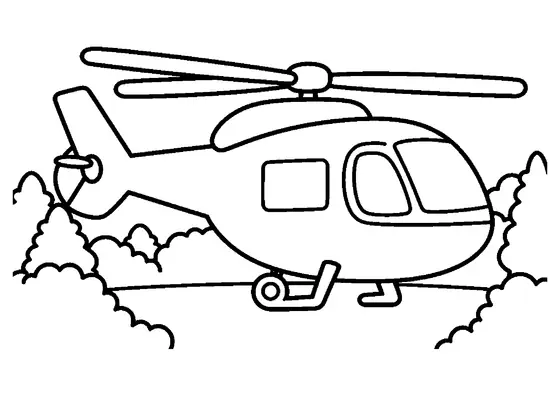
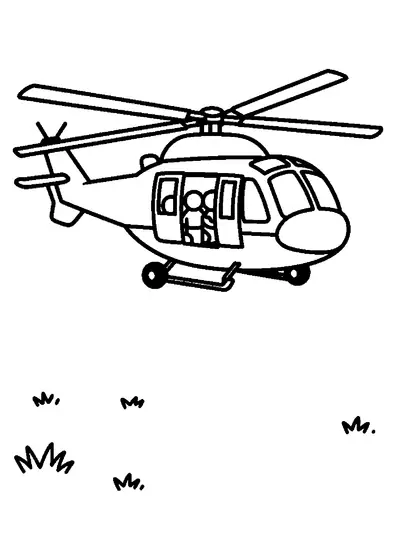
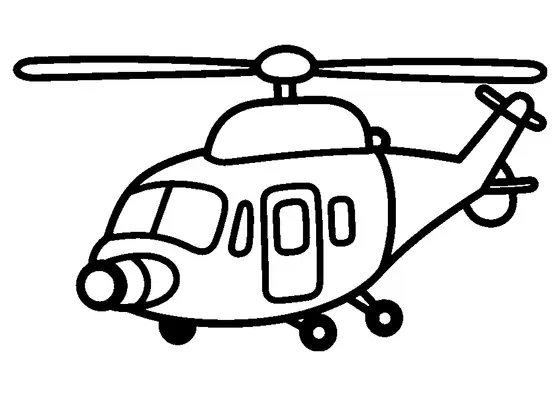
What else can you print? Free, no account needed
Custom Name Coloring Pages
Enter your child's name to generate a custom coloring page featuring large outline letters to color and decorate.
Open generator →Connect the Dots Generator
Eight connect-the-dots pictures across three difficulty levels. Features faint outline guides for younger children and dots only for older kids.
Open generator →Printables
Worksheets, tracing lines, mazes and dot-to-dots in A4.
Browse printables →
Scientific Research Helicopters in Atmospheric Studies
Scientific research helicopters gather crucial data while hovering above oceanic waters, mountains, and remote ecosystems. Positioned directly over the cockpit cabin, rooftop antennas broadcast real-time weather information and geographic measurements to ground research centers. From a head-on view, the wide rotor system and forward windshield highlight the balanced design needed for stable flight experiments.
How Science Airships Help Our Planet
Research aircraft carry sensitive electronic sensors that measure atmospheric humidity, temperature changes, and wind currents in upper air layers. Scientists use these airborne instruments to track storm development and monitor rainforest health across vast geographic expanses. Many scientific choppers are painted in distinctive patterns so satellite cameras and ground teams can identify them easily during field expeditions.
Natural Colors of Scientific Research Aircraft
- Upper fuselage: Bright orange or brilliant white for aerial tracking
- Rooftop antenna array: Chrome silver or metallic gray
- Front canopy glass: Deep blue or reflective silver-tinted shade
- Rotor mast and hub: Metallic steel or graphite black
- Instrument pods: Charcoal gray or safety yellow