
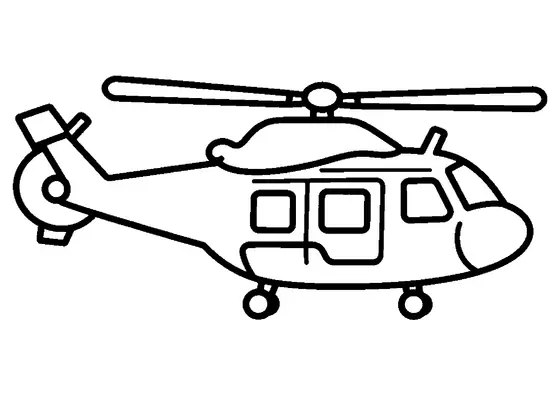
Polar Research Helicopter Coloring Page
A scientific survey helicopter flies above a sheet of floating ice, captured from a top-down perspective.

A4 format (portrait), black outlines on a white background · for home and classroom use
All coloring pages: Helicopter Coloring Pages
Similar coloring pages: Helicopter Coloring Pages


What else can you print? Free, no account needed
Custom Name Coloring Pages
Enter your child's name to generate a custom coloring page featuring large outline letters to color and decorate.
Open generator →Connect the Dots Generator
Eight connect-the-dots pictures across three difficulty levels. Features faint outline guides for younger children and dots only for older kids.
Open generator →Printables
Worksheets, tracing lines, mazes and dot-to-dots in A4.
Browse printables →
Polar Research Helicopter View
Seen directly from above, an ice-bound research helicopter navigates over a solitary sheet of ice. The aerial angle highlights the broad span of the main rotor assembly along with the long, slender tail boom extending behind the main body as it conducts polar exploration missions.
Flying in Freezing Environments
Helicopters operating in Arctic and Antarctic zones require specialized de-icing systems on rotor blades to prevent dangerous ice accumulation during flight. Bright safety paint schemes help ground crews and rescue units spot the aircraft against endless white snow fields. Polar research helicopters carry essential survival gear, scientific instruments, and navigational tools designed to function reliably in sub-zero temperatures.
Real Colors of Polar Helicopters
- Upper fuselage: high-visibility bright orange or fluorescent red
- Main rotor blades: black or dark gray with yellow tip stripes
- Tail boom: bright orange with black identification numbers
- Sheet of ice: pale cyan blue or brilliant white